Nashville Music City Loop: Elon Musk's Tunnel Project Under Scrutiny
Explore the potential and challenges of The Boring Company's Music City Loop in Nashville, including environmental concerns, political hurdles, and the company's past performance.
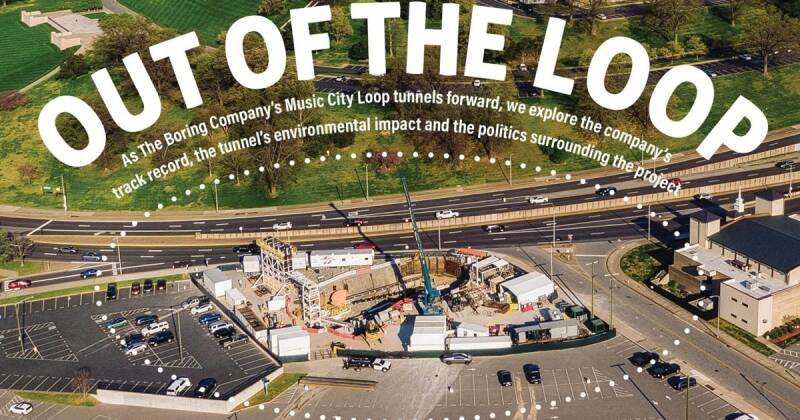



Explore the potential and challenges of The Boring Company's Music City Loop in Nashville, including environmental concerns, political hurdles, and the company's past performance.
The Boring Company, spearheaded by Elon Musk, is currently working on the "Music City Loop" project in Nashville, Tennessee. This ambitious project aims to alleviate traffic congestion by constructing a network of underground tunnels through which electric vehicles can quickly transport passengers. But, as the tunneling machines progress, questions are being raised about the company's track record, the potential environmental impact, and the intricate political landscape surrounding the project.
Imagine zipping beneath Nashville's bustling streets in an electric vehicle, bypassing traffic jams and arriving at your destination in minutes. That's the promise of the Music City Loop. The envisioned system would consist of underground tunnels where specially designed vehicles, likely electric Teslas, would transport passengers between key destinations throughout the city, such as the airport, downtown areas, and major attractions.
The Boring Company has completed projects like the Las Vegas Convention Center (LVCC) Loop. While these projects showcase the potential of underground transportation, they've also faced criticism. The LVCC Loop, for example, was initially envisioned as a high-speed transportation system, but in reality, it operates more like a slightly faster than walking pace shuttle service. This raises concerns about whether the Music City Loop will deliver on its promises of significant time savings and efficiency.
One of the key challenges The Boring Company faces is scaling up its operations to handle the demands of a major city like Nashville. Can they build tunnels quickly and cost-effectively while maintaining high safety standards? Their history suggests this is a complex undertaking.
Any major construction project carries potential environmental consequences, and the Music City Loop is no exception. Tunneling can disrupt underground ecosystems, impact groundwater levels, and generate significant noise and vibration during construction. A comprehensive environmental impact assessment is crucial to mitigate these risks. The community needs to be assured that these potential impacts are being adequately addressed.
Specifically, the disposal of excavated materials, often referred to as "spoils," needs careful management. Improper disposal can lead to soil contamination and water pollution. The Boring Company must adhere to strict environmental regulations to minimize these risks.
Large infrastructure projects are inherently political, and the Music City Loop is no different. Securing permits, negotiating land rights, and addressing community concerns require navigating a complex web of local and state government agencies. Political support is crucial for the project's success, but this support must be balanced with responsible oversight and transparency.
Public opinion also plays a significant role. Concerns about traffic disruptions during construction, the cost of the project to taxpayers, and the potential impact on local businesses can all influence the political landscape. Open communication and community engagement are essential for building public trust and support.
The Music City Loop represents a potentially transformative infrastructure project for Nashville. It could revolutionize transportation, reduce traffic congestion, and boost economic development. However, it also carries risks, including environmental concerns, financial burdens, and potential disruptions to the city's fabric. Understanding these complexities is crucial for citizens to make informed decisions about the future of their city. This project is not just about building tunnels; it's about shaping the future of Nashville.
In our opinion, the Music City Loop presents both exciting opportunities and significant challenges for Nashville. While the potential benefits of reduced traffic congestion and improved transportation are undeniable, the city must carefully scrutinize The Boring Company's plans and ensure that environmental concerns are adequately addressed. Transparency and community engagement are paramount to building trust and ensuring that the project serves the best interests of all Nashvillians.
We believe the city should prioritize independent oversight and rigorous evaluation of the project's progress. The potential for cost overruns and delays should not be underestimated, and contingency plans must be in place to mitigate these risks. A thorough cost-benefit analysis, factoring in both direct and indirect impacts, is essential for justifying the investment.
The future of the Music City Loop remains uncertain. Success will depend on The Boring Company's ability to deliver on its promises, the city's commitment to responsible oversight, and the community's willingness to embrace this ambitious vision. Key milestones to watch include the completion of environmental impact assessments, the securing of necessary permits, and the commencement of tunnel construction. Any significant delays or cost overruns could jeopardize the project's viability.
This could impact Nashville's image as a forward-thinking city, attracting further investment and talent if successful. Conversely, failure could damage its reputation and create skepticism about future infrastructure projects. Ultimately, the Music City Loop will serve as a test case for The Boring Company's vision of underground transportation and its ability to transform urban landscapes.
























