Mumbai Fights Back: How BMC Tackled COVID-19 - Book Review & Analysis
A detailed review of "Mumbai Fights Back" by Suresh Kakani, analyzing the BMC's COVID-19 response, challenges, and future implications. Get our expert analysis.
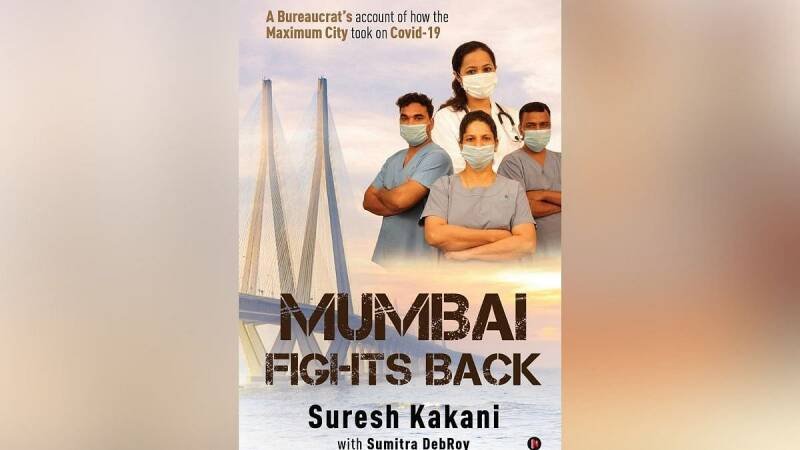



A detailed review of "Mumbai Fights Back" by Suresh Kakani, analyzing the BMC's COVID-19 response, challenges, and future implications. Get our expert analysis.
Suresh Kakani's "Mumbai Fights Back" provides a factual, inside look at how the Brihanmumbai Municipal Corporation (BMC) navigated the unprecedented challenges of the COVID-19 pandemic. The book details the BMC's strategies across all three waves, offering valuable insights into their successes and struggles. This isn't just a recounting of events; it's a deep dive into the complex web of public health, resource allocation, and crisis communication that defined Mumbai's pandemic response.
Kakani's book meticulously documents the BMC's response, covering a wide range of critical areas:
The book doesn't shy away from the difficulties faced, presenting a balanced view of the BMC's performance under immense pressure. It highlights the logistical nightmares, the resource constraints, and the human toll that the pandemic took on Mumbai.
Understanding how Mumbai, a megacity with unique challenges, responded to COVID-19 is crucial for several reasons. Firstly, it offers valuable lessons for future pandemics. Secondly, it provides a blueprint for other densely populated urban centers facing similar public health crises. Finally, it sheds light on the importance of proactive planning, resource allocation, and community engagement in managing large-scale emergencies.
In our opinion, "Mumbai Fights Back" is a significant contribution to the field of public health. It moves beyond simple reporting and provides a critical analysis of the BMC's actions. The book effectively highlights the importance of data-driven decision-making and the vital role of public-private partnerships in tackling a crisis of this magnitude.
However, it's important to remember that this is just one perspective. While Kakani provides a factual account, the book primarily focuses on the BMC's point of view. A more comprehensive understanding would benefit from incorporating perspectives from frontline healthcare workers, community leaders, and the general public. The book provides a strong basis to build on and discuss wider ramifications.
The challenges faced in Mumbai, especially in the slum areas, underline the critical need for improved infrastructure and healthcare access in vulnerable communities. This could impact future policy decisions and resource allocation in urban planning.
The lessons learned from Mumbai's COVID-19 response are invaluable for shaping future pandemic preparedness plans. We believe that cities worldwide can benefit from studying the BMC's strategies, adapting them to their own specific contexts.
Moving forward, investment in public health infrastructure, improved communication strategies, and enhanced community engagement will be essential to effectively combat future outbreaks. This also means further research is vital into novel approaches to combat misinformation that can hamper attempts to limit the spread of future outbreaks.
Furthermore, international collaboration and knowledge sharing are crucial for creating a global pandemic response system that is resilient and equitable. "Mumbai Fights Back" serves as a timely reminder of the importance of preparedness and collaboration in the face of global health threats. We expect the ideas within the book to form a core part of public health planning in the coming years.
























