MP Medical Colleges Cancer Treatment Crisis: Radiation Machine Shortage
Madhya Pradesh medical colleges face a critical shortage of functional radiation machines, impacting cancer treatment access. Learn about the delays, affected patients, and future outlook.
MP Medical Colleges Grapple with Cancer Treatment Crisis: Radiation Machine Shortage
Cancer patients in Madhya Pradesh are facing a dire situation as several government medical colleges struggle with a severe shortage of functional radiation therapy machines. While institutions in Indore and Jabalpur manage to provide services, facilities in Bhopal, Rewa, and Gwalior are hampered by either non-functional or faulty equipment.
The LINAC Delay: A Critical Setback
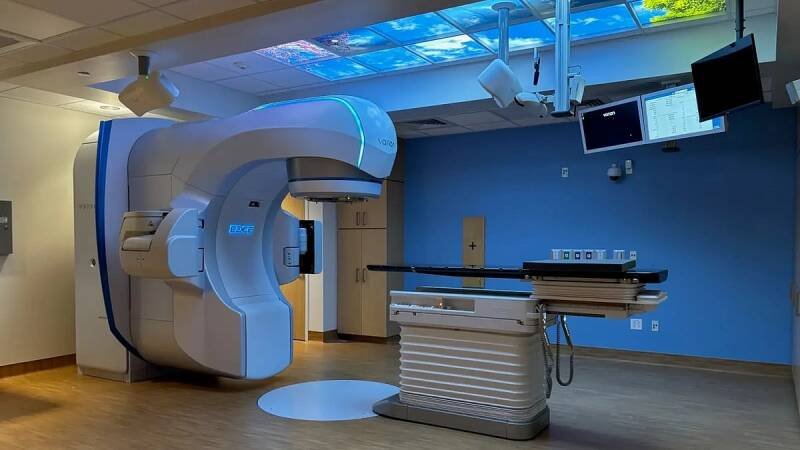
The delay in installing new Linear Accelerator (LINAC) systems is exacerbating the problem. LINACs are crucial for modern radiation therapy, offering more precise and effective treatment compared to older machines. The absence of these systems forces patients to seek treatment at private facilities, often at a significantly higher cost.
Patient Impact: Costly Treatment and Travel
The shortage of functional radiation machines directly impacts cancer patients, particularly those from lower-income backgrounds. They are often forced to travel long distances to Indore or Jabalpur, incurring additional expenses for transportation and accommodation. For many, the only alternative is to seek expensive private treatment, putting a significant financial strain on families already dealing with the emotional and physical toll of cancer.
Why This News Matters
This situation highlights a significant disparity in healthcare access within Madhya Pradesh. The lack of functional equipment in government medical colleges effectively creates a two-tiered system, where those who can afford private care receive timely treatment, while others face delays, financial hardship, and potentially compromised outcomes. It also reveals potential systemic issues related to procurement, maintenance, and infrastructure management within the state's healthcare system.
Our Analysis
In our opinion, this situation is unacceptable. The Madhya Pradesh government needs to prioritize the procurement and maintenance of essential medical equipment, particularly for critical services like cancer treatment. The delays in installing LINAC systems are a clear indication of bureaucratic inefficiencies and a lack of urgency in addressing the needs of cancer patients. This failure to provide adequate cancer treatment facilities in public hospitals directly contributes to health inequity. Furthermore, the dependence on just two functional facilities creates a bottleneck, potentially leading to longer wait times and reduced access for patients across the state. We believe a thorough audit of medical equipment maintenance and procurement processes is needed to prevent similar situations from arising in the future.
Future Outlook
The future depends heavily on the Madhya Pradesh government's response. Immediate action is needed to expedite the installation of LINAC systems in Bhopal, Rewa, and Gwalior. Investment in training and maintenance personnel is also essential to ensure the long-term functionality of these machines. Without these measures, the disparity in cancer treatment access will likely worsen, leading to poorer health outcomes for vulnerable populations. This could impact public trust in the state's healthcare system and lead to calls for greater accountability. The long-term solution requires a comprehensive strategy that addresses the root causes of these issues, including bureaucratic bottlenecks, inadequate funding, and a lack of coordination between different levels of government.
Potential Solutions:
- Accelerated LINAC Installation: Streamlining the procurement process and expediting installation timelines.
- Increased Funding: Allocating sufficient resources for equipment maintenance and upgrades.
- Public-Private Partnerships: Exploring collaborations with private healthcare providers to expand treatment capacity.
- Decentralized Care: Establishing smaller cancer treatment centers in underserved areas.
- Enhanced Monitoring: Implementing a system to track the functionality and utilization of medical equipment.
Ultimately, addressing this crisis requires a commitment from the government to prioritize the health and well-being of its citizens. A failure to act decisively will have serious consequences for the lives of countless cancer patients in Madhya Pradesh.