Microneedling: Unlocking Your Skin's Potential with Tiny Needles
Discover the science behind microneedling, its benefits for wrinkles, acne scars, and stretch marks, and what to expect from this popular cosmetic procedure. Learn if it's right for you.
Microneedling: Unlocking Your Skin's Potential with Tiny Needles
Microneedling is becoming increasingly popular as a way to improve skin texture and appearance. But what exactly is it, and does it really work? Studies suggest it can reduce wrinkles, acne scars, and stretch marks, but let's dive deeper into the science and practicalities.
What is Microneedling?
Microneedling, also known as collagen induction therapy, involves using a device with tiny, fine needles to create controlled micro-injuries on the skin's surface. Think of it like aerating your lawn – you're creating channels that allow for better absorption and trigger a healing response.
This controlled damage stimulates the body to produce more collagen and elastin, two essential proteins that keep skin firm, smooth, and youthful. As we age, collagen production naturally declines, leading to wrinkles and loss of elasticity. Microneedling aims to reverse this process.
The Benefits: Beyond the Hype
Research shows microneedling can offer several benefits:
* **Wrinkle Reduction:** By stimulating collagen production, microneedling can help reduce the appearance of fine lines and wrinkles on the face and neck.
* **Acne Scar Improvement:** Microneedling can break down old scar tissue and promote the formation of new, healthy skin cells, effectively reducing the visibility of acne scars.
* **Stretch Mark Reduction:** Similar to acne scars, microneedling can help improve the appearance of stretch marks by stimulating collagen and elastin production in the affected area.
* **Improved Skin Texture and Tone:** Overall, microneedling can result in smoother, more even-toned skin.
* **Enhanced Product Absorption:** The micro-channels created by the needles allow for better absorption of skincare products, potentially boosting their effectiveness.
The Procedure: What to Expect
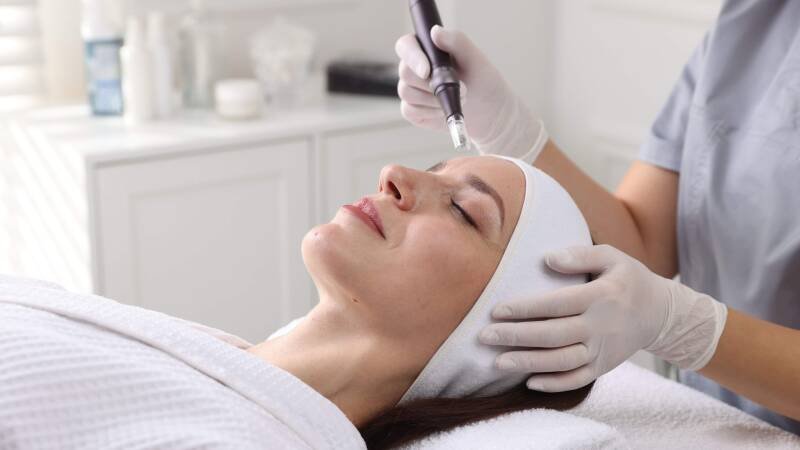
A typical microneedling procedure involves cleansing the skin, applying a numbing cream to minimize discomfort, and then using the microneedling device to create tiny punctures across the treatment area. The procedure usually takes about 30-60 minutes, depending on the size of the area being treated.
After the procedure, the skin will likely be red and slightly swollen, similar to a mild sunburn. This usually subsides within a few days. It's important to follow the aftercare instructions provided by your practitioner, which may include using gentle skincare products and avoiding sun exposure. Multiple sessions are usually recommended for optimal results.
Why This News Matters
The growing interest in microneedling highlights a desire for effective and minimally invasive cosmetic procedures. This news is important because it offers consumers a data-backed understanding of a treatment option that can positively affect their skin health and confidence. Understanding the proven benefits allows people to make informed decisions about whether microneedling is a suitable option for their specific skin concerns.
Our Analysis
Based on the available research, microneedling appears to be a promising treatment for various skin concerns. However, it's crucial to approach it with realistic expectations. While studies show positive results, individual outcomes can vary depending on factors such as skin type, age, and the severity of the condition being treated.
In our opinion, the key to successful microneedling lies in choosing a qualified and experienced practitioner. This is not a procedure to attempt at home with cheaply made devices, as improper technique can lead to infection, scarring, and other complications.
Future Outlook
The field of microneedling is continuously evolving, with ongoing research exploring new applications and techniques. We anticipate seeing further advancements in microneedling technology, potentially leading to even more effective and less invasive treatments. The combination of microneedling with other skincare treatments, such as topical serums and growth factors, also holds great promise for enhancing results.
This could impact the cosmetic industry significantly, shifting the focus toward preventative and regenerative treatments that stimulate the body's natural healing processes. As more research emerges and the technology improves, microneedling is likely to become an even more mainstream and accessible option for achieving healthy, youthful-looking skin.