Mali Truck Drivers Executed by Islamist Group: War Crimes Accusation
Al-Qaeda-linked group executes 12 truck drivers and apprentices in Mali, prompting war crimes accusations. Details of the attack and its impact.



Al-Qaeda-linked group executes 12 truck drivers and apprentices in Mali, prompting war crimes accusations. Details of the attack and its impact.
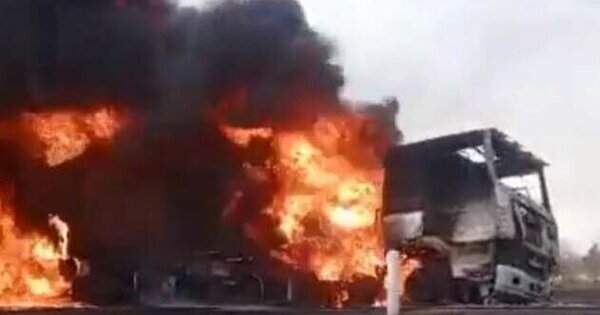
An Al-Qaeda-linked armed group executed twelve long-haul truck drivers and apprentices in southwestern Mali in late January 2026, Human Rights Watch reported. The victims included ten drivers and two teenage apprentices. The attack, which targeted a fuel convoy, is being investigated as a possible war crime.
The killings took place in southwestern Mali at the end of January 2026. The targeted convoy was transporting fuel. The perpetrators, linked to Al-Qaeda, summarily executed the drivers and their apprentices. "Summarily" means that the victims were killed immediately without any legal process or trial.
Human Rights Watch stated that the executions appear to constitute war crimes. Under international law, war crimes are serious violations of the laws and customs of war that incur individual criminal responsibility. The deliberate killing of civilians, especially in a non-combat situation, can be classified as a war crime.
Mali has been grappling with an ongoing insurgency involving various armed groups, including those linked to Al-Qaeda and the Islamic State. These groups often target civilians and government forces alike. The violence has destabilized the country and created a severe humanitarian crisis. This specific attack underscores the dangers faced by civilians and commercial entities operating in areas controlled or influenced by these groups.
The execution of the truck drivers and apprentices will likely have multiple impacts. It could disrupt the supply of essential goods, including fuel, leading to economic hardship for local communities. It also sows fear and distrust, potentially leading to further displacement and instability. This kind of event may cause commercial drivers to refuse to drive in risky areas and thereby create supply shortages.
Human Rights Watch investigates and reports on human rights abuses around the world. By documenting and publicizing these incidents, the organization seeks to hold perpetrators accountable and advocate for justice and protection of civilians. Their statement regarding the Mali executions brings international attention to the issue, potentially prompting further investigation and action by international bodies.
The situation in Mali highlights the ongoing security challenges in the Sahel region of Africa. Counterterrorism efforts, peacekeeping operations, and humanitarian aid are all critical to addressing the root causes of the conflict and protecting civilians. The international community faces the ongoing challenge of finding an effective response and promoting lasting stability.