LG Electronics Smart Factory Success: End-to-End Solutions Explained
Explore LG Electronics' success in smart factories and how their end-to-end solutions and manufacturing lifecycle experience are leading the way in global manufacturing transformation.
LG Electronics: Mastering the Smart Factory Revolution
Global manufacturing is undergoing a massive shift. Think about it: unexpected global events are messing with supply chains, while artificial intelligence (AI) and data are changing how factories work. Plus, new rules about carbon emissions are forcing companies to rethink their operations.
LG Electronics is stepping up to the challenge, demonstrating significant success in implementing smart factories. They aren't just talking about it; they're showing how it's done.
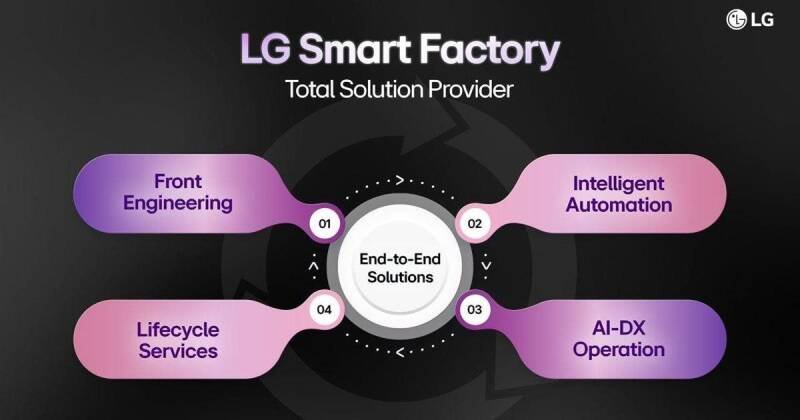
LG's End-to-End Smart Factory Solution
LG emphasizes providing a complete, "end-to-end" solution. This means they handle everything from initial planning and design to the ongoing operation and maintenance of a smart factory. It's not just about installing robots; it's about rethinking the entire manufacturing process.
This comprehensive approach allows them to deeply understand each customer's needs and tailor the solution accordingly. They aren't selling a one-size-fits-all package, but rather a customized strategy.
Experience Across the Manufacturing Lifecycle
According to LG, their experience across the entire manufacturing lifecycle is a critical differentiator. This isn't just about knowing the technology; it's about understanding the nuances of production, logistics, and quality control. They understand the real-world challenges manufacturers face.
This deep understanding allows LG to anticipate potential problems and proactively implement solutions. It also means they can offer valuable insights and best practices to their clients.
Why This News Matters
This is bigger than just one company succeeding. LG's success shows that smart factory technology is maturing and becoming a viable option for manufacturers of all sizes. It also highlights the importance of a holistic, end-to-end approach to digital transformation.
For businesses facing supply chain disruptions, rising costs, and increasing pressure to reduce their carbon footprint, smart factory solutions offer a potential pathway to greater efficiency, resilience, and sustainability. The insights that LG's experience provides are invaluable to these firms.
Our Analysis
In our opinion, LG's focus on an end-to-end solution is key to their success. Simply implementing isolated technologies, like robots or AI-powered quality control, often fails to deliver the expected results. A truly smart factory requires a coordinated, integrated approach that addresses all aspects of the manufacturing process.
The emphasis on experience is also critical. While many technology providers can install equipment, few have the deep understanding of manufacturing operations needed to truly optimize a smart factory. LG's years of experience give them a significant advantage.
This approach highlights the importance of choosing a partner who understands your business and can provide ongoing support. It also emphasizes the need for businesses to invest in training and upskilling their workforce to adapt to the changing demands of a smart factory environment.
Future Outlook
We believe that smart factories will become increasingly prevalent in the coming years. The pressures of globalization, competition, and sustainability are simply too strong to ignore. Companies that fail to embrace digital transformation risk falling behind.
This could impact a wide range of industries, from automotive and electronics to food and beverage. The potential benefits of smart factories – increased efficiency, reduced costs, improved quality, and greater agility – are simply too compelling to ignore.
Looking ahead, we expect to see continued innovation in smart factory technologies, with a greater emphasis on AI, machine learning, and data analytics. We also anticipate increased collaboration between technology providers and manufacturers to develop customized solutions that meet specific industry needs.
Ultimately, the future of manufacturing is smart, connected, and data-driven. Companies that embrace this future will be well-positioned to thrive in the global economy.