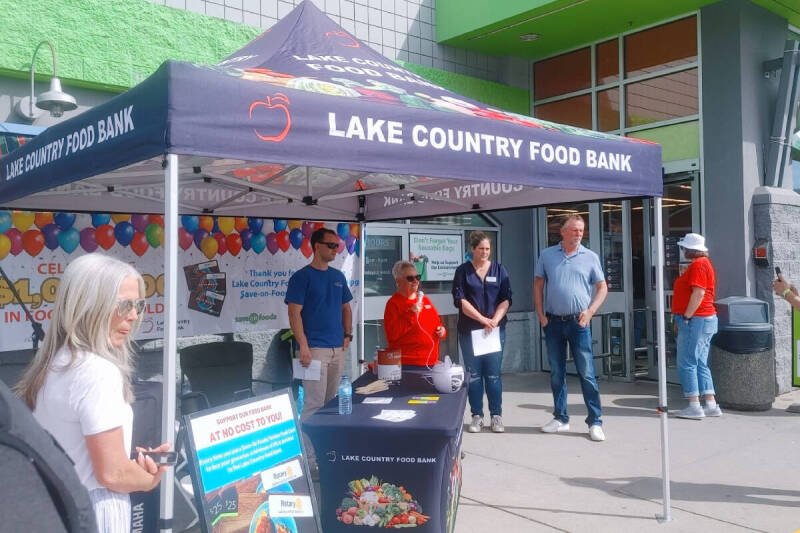
Lake Country Food Card Program Generates $1 Million, Boosting Local Economy
A food card program in Lake Country, BC, has generated $1 million in sales, benefiting residents and supporting the local food bank. Learn about the program's success, impact, and future.
Lake Country Food Card Program Hits $1 Million Milestone, Benefitting Community
A community-focused initiative in Lake Country, British Columbia, has reached a significant milestone. The local food card program has generated a staggering $1 million in sales, providing much-needed support to residents and boosting the local economy.
How the Food Card Program Works
The program operates by selling pre-loaded cards that can be used at participating grocery stores within Lake Country. This allows residents to purchase essential food items, providing a dignified and flexible way to address food insecurity. A portion of each card sale, approximately 16%, is directly donated to the local food bank.
What the $1 Million Means
Reaching $1 million in sales signifies the program's tremendous success and demonstrates strong community support. This translates into more food on the tables of families in need, reduced strain on the local food bank, and a stronger, more resilient local economy.
Why This News Matters
This is more than just a feel-good story; it's a testament to the power of community-led initiatives. The Lake Country food card program offers a practical solution to food insecurity, addressing both immediate needs and contributing to long-term community well-being. It serves as a model for other communities looking to tackle similar challenges. The fact that a portion is donated to the food bank increases its importance.
Our Analysis
In our opinion, the success of the Lake Country food card program highlights the importance of innovative approaches to addressing social issues. By integrating community support, local businesses, and a charitable component, the program creates a win-win situation for everyone involved. This is a sustainable model that fosters a sense of community ownership and promotes long-term positive change. This model ensures money continues to flow into the local economy as well.
The 16% contribution to the food bank is a crucial element. It not only provides direct financial assistance but also helps to increase the food bank's capacity to serve the growing needs of the community. This holistic approach is what makes the program particularly effective.
Future Outlook
The continued success of the Lake Country food card program hinges on maintaining community support and expanding partnerships. This could involve recruiting more local businesses to participate, increasing awareness of the program's benefits, and exploring opportunities for collaboration with other social service organizations. Perhaps the program can look at ways to offer discounts with local farmers to make the food even more affordable.
Furthermore, the program's model could be adapted and replicated in other communities facing similar challenges. The key is to tailor the program to the specific needs and resources of each local area. This could impact the way food banks are supported in the future.
Potential Challenges
- Ensuring long-term funding and sustainability.
- Maintaining community engagement and participation.
- Adapting to changing economic conditions and needs.
Opportunities for Growth
- Expanding the program to include other essential goods and services.
- Developing partnerships with local farmers and producers to source fresh, local food.
- Implementing a tracking system to measure the program's impact and identify areas for improvement.
Ultimately, the Lake Country food card program is a shining example of how a simple idea, coupled with strong community support, can make a significant difference in the lives of vulnerable individuals and families. This initiative deserves recognition and serves as an inspiration for other communities seeking to build a more inclusive and equitable society.