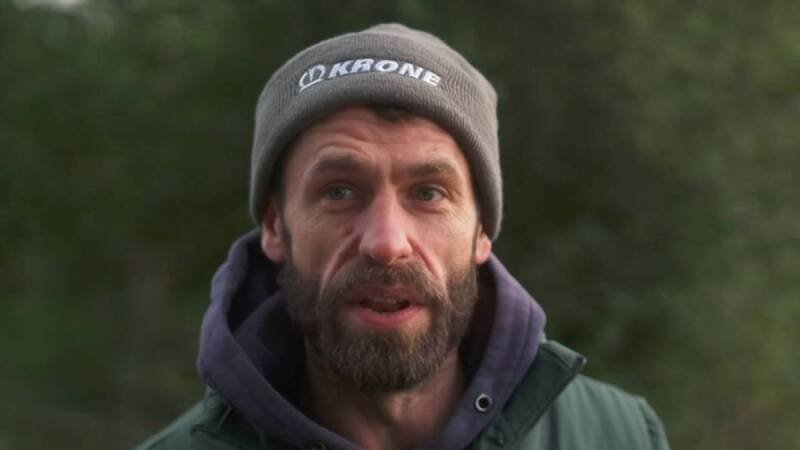
Kelvin Fletcher's Farm Faces Setback: What It Means for UK Farming
Kelvin Fletcher reveals disappointing news from his farm, impacting his family and raising concerns about the challenges facing UK agriculture. Our analysis of the situation and future outlook.
Kelvin Fletcher's Farming Dream Hits a Snag: What Happened?
Actor Kelvin Fletcher, known for his roles in "Emmerdale" and as a "Strictly Come Dancing" winner, has been sharing his family's journey into farming through the BBC show "Kelvin's Big Farming Adventure." Recently, Kelvin revealed some disappointing news regarding his sheep flock, impacting his farming venture.
Ewes Scanning Reveals Unexpected Results
Kelvin and his wife, Liz, along with their three children, recently participated in the scanning of their ewes to determine pregnancy and the number of lambs expected per ewe. This process is crucial for planning and managing the flock's future. The results, however, were not what they had hoped for.
While the exact details of the scanning results haven't been fully disclosed, Kelvin described the news as "it isn't good," suggesting a lower-than-expected pregnancy rate or a smaller average number of lambs per ewe. This type of situation can affect a farm’s viability, because the fewer the lambs, the lower potential profit.
Why This News Matters
Kelvin Fletcher's experience highlights the unpredictable nature of farming and the challenges faced by farmers across the UK. From weather conditions and disease outbreaks to market fluctuations and animal health issues, farmers constantly navigate a complex web of factors that can impact their livelihoods. Even with careful planning and hard work, setbacks are inevitable.
Kelvin's openness about his farming journey helps to raise awareness of these challenges among the general public. In our opinion, this is incredibly important because it bridges the gap between consumers and producers and fosters a greater appreciation for the work that goes into putting food on our tables. It also demonstrates that farming isn't always the idyllic picture often presented; it's a tough and demanding business.
Our Analysis
Several factors could have contributed to the disappointing scanning results on Kelvin Fletcher's farm. These might include:
- Ewe Health: The overall health and condition of the ewes prior to and during mating significantly impact their fertility.
- Ram Fertility: The rams' fertility is equally important. Low sperm count or other issues can result in fewer pregnancies.
- Nutrition: Adequate nutrition is essential for both ewes and rams to support reproductive success. Insufficient feed or nutrient deficiencies can negatively affect fertility.
- Stress: Stressful conditions, such as extreme weather or handling, can disrupt the reproductive cycle.
It's important to remember that farming involves managing living creatures and natural processes, making it inherently unpredictable. Experienced farmers often face similar challenges, and it’s the ability to adapt and learn from these situations that determines long-term success.
Future Outlook
While the initial news might be disheartening, Kelvin Fletcher and his family are likely to take steps to mitigate the impact of the lower lambing rate. These steps could include:
- Optimizing Feed Management: Improving the quality and quantity of feed for the remaining pregnant ewes to ensure healthy lamb development.
- Improving Lambing Conditions: Providing a safe and comfortable environment for lambing to maximize lamb survival rates.
- Reviewing Breeding Practices: Assessing and adjusting breeding strategies for the next season to improve fertility rates.
This could impact Kelvin Fletcher's approach to diversification on the farm. He might need to explore alternative revenue streams to offset any potential losses from the lower lamb yield. Ultimately, the future success of Kelvin Fletcher's farming venture will depend on his resilience, adaptability, and willingness to learn from both successes and setbacks. We believe that by sharing his real-world experiences, he's making a significant contribution to the conversation around UK farming and helping to highlight the challenges and rewards of rural life.