Jet Fuel Prices Soar: How It Impacts Your Travel and the Airline Industry
Jet fuel price volatility is causing higher airfares and fewer flight options. Learn how this impacts travelers and the future of the airline industry.
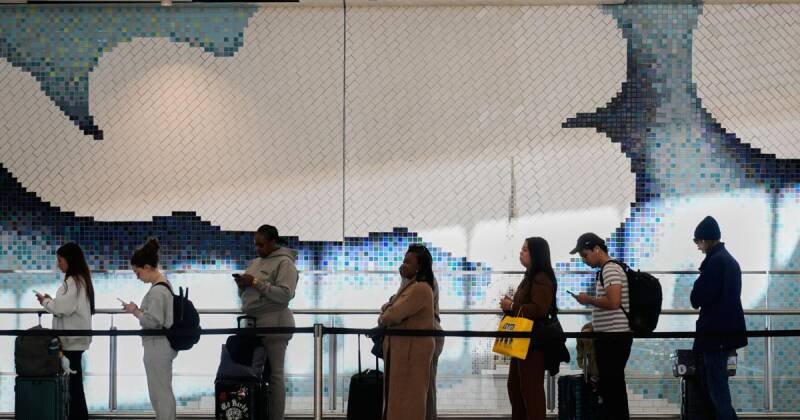



Jet fuel price volatility is causing higher airfares and fewer flight options. Learn how this impacts travelers and the future of the airline industry.
If you're planning a trip, get ready to pay more. Volatile jet fuel prices are sending shockwaves through the airline industry, directly impacting your wallet and travel options. Airlines are scrambling to adapt to these fluctuating costs, leading to higher ticket prices, fewer available flights, and a tougher decision on whether that vacation is truly worth it.
The primary driver behind this surge is the instability in global oil markets, exacerbated by geopolitical events, particularly the war in Ukraine. Sanctions and supply chain disruptions have created uncertainty, causing dramatic swings in crude oil prices, the raw material for jet fuel. Increased travel demand post-pandemic is also a contributing factor, putting additional pressure on fuel supplies.
Jet fuel prices are notoriously susceptible to geopolitical events. This means sudden price increases are a constant threat. In some cases, airlines struggle to anticipate these fluctuations, making them even more impactful.
The increase in jet fuel prices has far-reaching implications. It's not just about higher ticket prices. It affects the entire travel ecosystem.
In our opinion, the current situation represents a perfect storm of factors impacting the airline industry and travelers alike. While increased travel demand is a positive sign of economic recovery, the volatile fuel prices are acting as a significant headwind. Airlines are caught between absorbing these costs and passing them on to consumers. The industry is walking a tightrope, hoping to maintain profitability without pricing travelers out of the market.
The impact is not uniform. Budget airlines, with their razor-thin margins, might be forced to implement more drastic measures than larger, legacy carriers. We also believe that regional airports and smaller communities could be disproportionately affected as airlines cut less profitable routes. This could impact local economies reliant on tourism and business travel.
The future remains uncertain. Much depends on the resolution of geopolitical conflicts and the stabilization of global oil markets. If oil prices remain high, we can expect to see continued pressure on airfares and flight availability. Airlines may explore alternative fuel sources and implement more fuel-efficient practices, but these solutions are unlikely to provide immediate relief.
This could impact the long-term trajectory of the travel industry. Travelers may opt for shorter trips, closer-to-home destinations, or alternative modes of transportation. Airlines may need to adapt their business models to accommodate these changing travel patterns. We predict that sustainable aviation fuel (SAF) will become increasingly important. However, it will take time for it to become readily available and affordable.
In the short term, savvy travelers should consider booking flights well in advance, being flexible with travel dates and destinations, and taking advantage of airline loyalty programs. Comparing prices across different airlines and considering budget airlines may also help mitigate the impact of higher airfares.
























