Japanese Whisky Secrets: The Quest for Perfection Explained
Discover the secrets behind the global success of Japanese whisky, from meticulous blending to the pursuit of perfection, with expert insights and analysis.
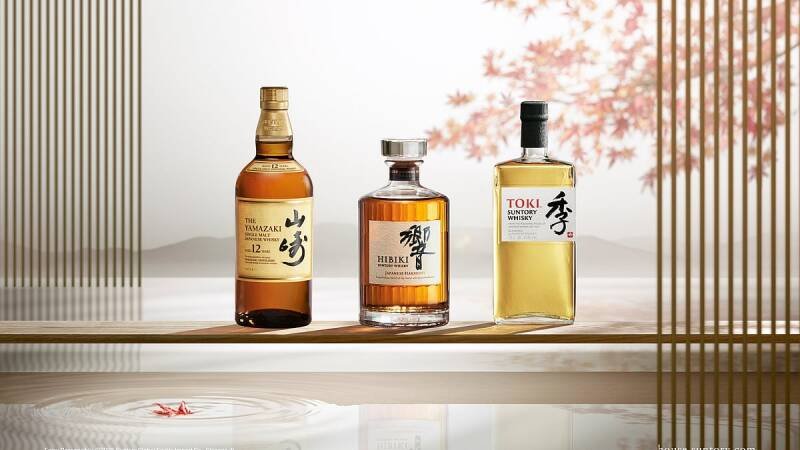



Discover the secrets behind the global success of Japanese whisky, from meticulous blending to the pursuit of perfection, with expert insights and analysis.
Japanese whisky has taken the world by storm, captivating connoisseurs and casual drinkers alike. But what exactly makes it so special? The answer lies in a relentless pursuit of perfection, a dedication to craftsmanship, and a unique blending of tradition and innovation. This article explores the key elements behind the international cult status of Japanese whisky, drawing insights from Shinji Fukuyo, chief blender at Suntory Global Spirits.
Blending is arguably the most critical aspect of Japanese whisky production. It's not just about mixing different whiskies; it's about creating a harmonious symphony of flavors that elevates the overall experience. Shinji Fukuyo emphasizes the importance of understanding each individual component and how they interact with one another. This requires a deep knowledge of the whisky-making process, from the selection of barley to the aging in different types of oak barrels.
Unlike some other whisky-producing regions, Japanese blenders often have access to a wide range of whiskies produced in-house. This allows them to experiment and create incredibly complex and nuanced blends. They aren't limited by the availability of whiskies from other distilleries, giving them unparalleled control over the final product.
Japanese whisky makers have skillfully blended time-honored traditions with innovative techniques. While they initially drew inspiration from Scotch whisky production, they quickly developed their own unique style and philosophy. This involved adapting techniques to suit the local climate and environment, as well as experimenting with different types of wood and distillation methods.
This willingness to innovate has led to some remarkable discoveries and distinctive flavor profiles. For example, the use of Mizunara oak, a native Japanese oak, imparts a unique sandalwood and coconut character to the whisky. Such innovations have set Japanese whisky apart and contributed to its global appeal.
The success of Japanese whisky is more than just a trend; it represents a fundamental shift in the global spirits market. It demonstrates that quality and craftsmanship can triumph over established brands and traditions. Understanding the factors behind its success offers valuable lessons for other industries striving for excellence and international recognition. Furthermore, the growing demand for Japanese whisky impacts the global supply chain and the economies of regions involved in its production, distribution and sales.
In our opinion, the relentless pursuit of perfection is the key to understanding Japanese whisky's success. It's not just about following a recipe; it's about constantly striving to improve and refine every aspect of the production process. This dedication to quality is evident in every bottle, and it's what sets Japanese whisky apart from its competitors. The Japanese ethos of kaizen, or continuous improvement, is clearly embedded in the whisky-making process. This is not just marketing hype but a genuine commitment to excellence that permeates the entire industry.
The strategic combination of honoring tradition while boldly innovating is also a key factor. Japanese distillers were not afraid to break the mold and experiment. This willingness to take risks has paid off handsomely, resulting in a unique and highly sought-after product.
The future of Japanese whisky looks bright, but it also faces challenges. Demand is currently outstripping supply, leading to price increases and limited availability. This could impact the industry's long-term growth if not managed carefully. Steps are being taken to increase production, but the aging process means that it will take years for these efforts to bear fruit.
Increased competition from other whisky-producing regions is also a factor to consider. As the popularity of whisky continues to grow, distillers from around the world are investing in new techniques and experimenting with different flavors. However, the unique character and reputation of Japanese whisky are likely to ensure its continued success in the years to come.
Here's what we predict in the near future:
Ultimately, the success of Japanese whisky is a testament to the power of dedication, innovation, and a relentless pursuit of perfection. It's a story that inspires us and provides valuable lessons for anyone striving for excellence in their chosen field.
























