Israeli Airstrikes in Lebanon: What You Need to Know
Recent Israeli airstrikes in Lebanon have resulted in casualties. Understand the context, impact, and future outlook of this evolving situation.
Israeli Airstrikes in Lebanon: A Deep Dive
Recent events in Lebanon have raised significant concerns following reported Israeli airstrikes. This article breaks down the situation, explains the context, and analyzes the potential consequences.
The News: Casualties Reported
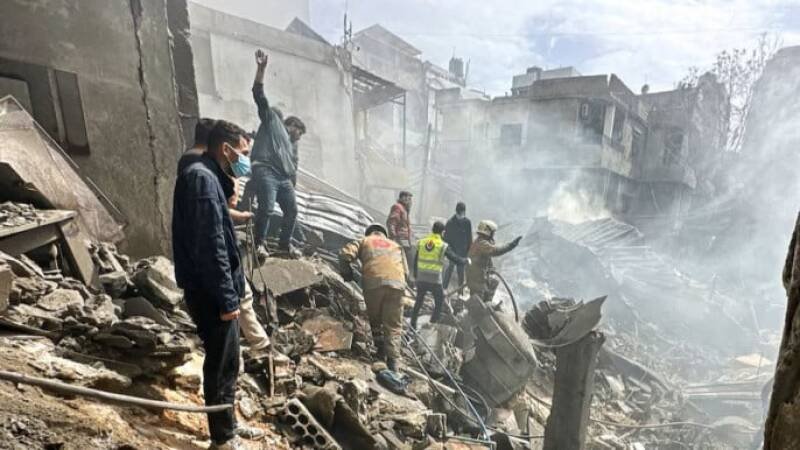
Reports indicate that at least 11 people have been killed in recent Israeli airstrikes in Lebanon. According to reports, one of the attacks struck the Jnah neighborhood in Beirut, resulting in the deaths of four individuals and injuries to 39 others.
Understanding the Context
Tensions between Israel and groups in Lebanon, particularly Hezbollah, have been ongoing for years. Cross-border incidents and exchanges of fire are not uncommon. These incidents are often rooted in broader regional conflicts and geopolitical dynamics. Understanding this history is crucial for interpreting current events.
Why This News Matters
This news is significant for several reasons:
* **Humanitarian Impact:** The loss of life and injuries highlight the tragic human cost of the conflict.
* **Escalation Risk:** Airstrikes can quickly escalate into larger conflicts, potentially drawing in other regional actors.
* **Regional Stability:** Instability in Lebanon can have ripple effects across the Middle East, impacting regional security and international relations.
* **Geopolitical Implications:** The conflict can change the dynamics of political alliances and regional power.
Our Analysis
In our opinion, these airstrikes represent a concerning escalation of tensions. While Israel cites security concerns as justification for its actions, the impact on civilian populations is undeniable.
The location of the attacks, including the Jnah neighborhood in Beirut, suggests a potential widening of the conflict beyond traditional border areas. This could significantly impact Lebanon, a country already facing numerous economic and political challenges.
Furthermore, the international community's response will be critical. Strong diplomatic efforts are needed to de-escalate the situation and prevent further loss of life.
Factors Potentially at Play
Several factors could be contributing to the current situation:
* **Hezbollah Activity:** Israel often cites Hezbollah's military activities as a justification for its actions.
* **Regional Power Dynamics:** The ongoing conflict in Syria and broader regional rivalries play a role in the dynamics between Israel and Lebanon.
* **Domestic Politics:** Political considerations within both Israel and Lebanon can influence decisions related to military actions.
Future Outlook
The future remains uncertain. Several potential scenarios could unfold:
* **Continued Escalation:** Further airstrikes and cross-border attacks could lead to a larger conflict.
* **Diplomatic Intervention:** International efforts could succeed in de-escalating the situation and paving the way for negotiations.
* **Protracted Conflict:** The conflict could continue at a lower intensity level for an extended period.
Potential Impacts
This situation could impact:
* **Lebanon's Stability:** Further conflict could exacerbate Lebanon's existing economic and political crises.
* **Regional Security:** Increased instability could undermine regional security and create opportunities for extremist groups.
* **International Relations:** The conflict could strain relations between Israel and other countries, particularly those with close ties to Lebanon.
In our opinion, de-escalation should be the top priority. Further escalation will only lead to more suffering and instability.
We believe diplomatic efforts, focused on addressing the root causes of the conflict, are essential for achieving a lasting peace. This could involve a commitment from Israel to avoid civilian targets and a commitment from all parties to avoid actions that could lead to escalation.