Iran's Occupation of UAE Islands: Why It Matters and What's Next
Iran's long-standing occupation of UAE islands is a growing international concern. Learn why this issue matters, our expert analysis, and potential future implications.
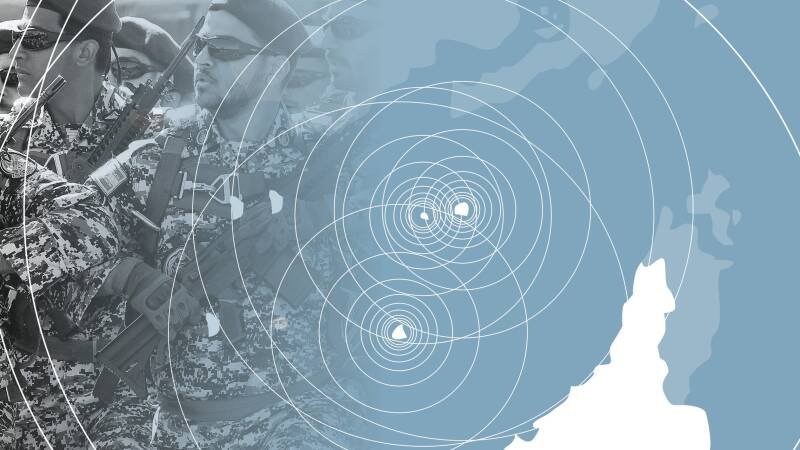



Iran's long-standing occupation of UAE islands is a growing international concern. Learn why this issue matters, our expert analysis, and potential future implications.
For fifty years, Iran has occupied the islands of Abu Musa and Greater and Lesser Tunb, which are claimed by the United Arab Emirates (UAE). This long-standing dispute has largely been ignored by the international community, a situation that carries significant costs extending far beyond the UAE's borders.
In 1971, shortly before the UAE gained full independence from Britain, Iran seized control of these three islands. The UAE maintains that the islands rightfully belong to them and has consistently called for either direct negotiations with Iran or referral of the dispute to the International Court of Justice (ICJ). Iran, however, insists on bilateral discussions, essentially rejecting any binding international arbitration.
These islands are not just pieces of land; they hold significant strategic value. They are located near key shipping lanes in the Strait of Hormuz, a vital waterway for global oil supplies. Control over these islands allows Iran to project power in the region and potentially disrupt maritime traffic, impacting the global economy.
The international community's inaction on this issue has several worrying implications:
In our opinion, the world’s negligence regarding Iran's occupation stems from a complex interplay of factors. These include a reluctance to confront Iran directly due to its regional influence, a focus on other pressing issues like nuclear proliferation, and a general fatigue with Middle Eastern conflicts. However, turning a blind eye only allows the problem to fester and potentially escalate.
The UAE has consistently pursued a peaceful and diplomatic approach, but its calls for international arbitration have been ignored. This could lead to increased frustration and potentially a shift in the UAE's approach, possibly seeking support from other regional or international powers to pressure Iran.
The future of this dispute remains uncertain, but several scenarios are possible:
In our view, the international community needs to take a more proactive role in resolving this dispute. This includes:
The continued neglect of Iran's occupation of the UAE islands is a disservice to international law and a threat to regional stability. Addressing this issue requires a concerted effort from the international community to prioritize diplomacy, uphold international norms, and prevent further escalation. This could impact the future stability of the region.
























