Iran's Diplomatic Push: Analyzing Araghchi's Pakistan Visit and its Implications
Explore the significance of Iranian Foreign Minister Araghchi's visit to Pakistan and its potential impact on regional diplomacy and US relations.
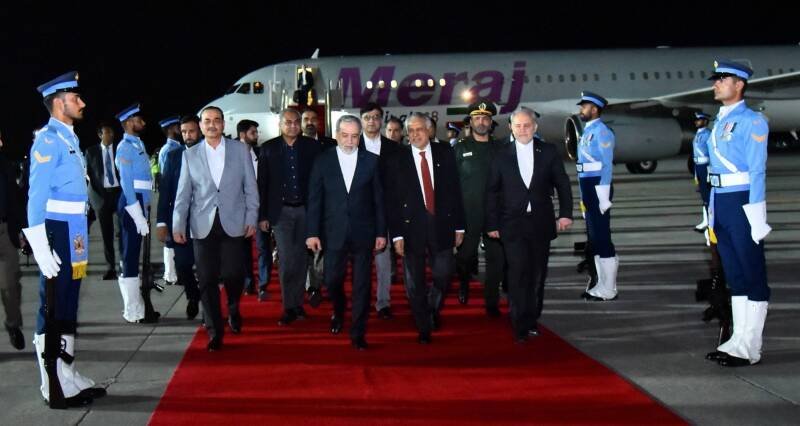



Explore the significance of Iranian Foreign Minister Araghchi's visit to Pakistan and its potential impact on regional diplomacy and US relations.
Iran's Deputy Foreign Minister, Abbas Araghchi, recently concluded a visit to Pakistan. This trip has sparked significant interest, especially given the current geopolitical climate and ongoing efforts to de-escalate tensions in the region. Araghchi's visit focused on discussions with Pakistani officials regarding mediation efforts with the United States and broader regional peace initiatives.
The Middle East and South Asia are currently navigating complex challenges. These include ongoing conflicts in Afghanistan, the lingering effects of the JCPOA (Joint Comprehensive Plan of Action, also known as the Iran nuclear deal) withdrawal, and persistent tensions between Iran and the United States. Pakistan, with its strategic location and historical ties to both Iran and the US, has positioned itself as a potential mediator in these disputes.
This visit gains even greater importance considering the recent change of government in Pakistan, and the nation's keen interest in bolstering relationships with neighbor states, like Iran. It demonstrates the necessity for regional cooperation in addressing shared concerns.
Araghchi's visit to Pakistan signifies a crucial step in regional diplomacy. It highlights the importance of dialogue and engagement in resolving complex geopolitical issues. Pakistan's potential role as a mediator could be instrumental in fostering a more stable and peaceful environment. For example, increased cooperation between Iran and Pakistan could lead to improved border security, potentially curtailing cross-border crime and insurgent activities.
Furthermore, successful mediation could pave the way for renewed negotiations between Iran and the US, potentially leading to the lifting of sanctions and a return to the JCPOA framework. This would have far-reaching implications for Iran's economy and its relationship with the international community.
In our opinion, this visit represents a calculated effort by Iran to explore all available diplomatic avenues. Iran understands that relying solely on direct talks with the US might be difficult given the current political climate. Utilizing Pakistan as an intermediary offers a more indirect, and possibly more palatable, path to dialogue.
The success of this mediation effort, however, hinges on several factors. These include the willingness of both Iran and the US to compromise, Pakistan's ability to maintain neutrality and build trust with both sides, and the influence of other regional actors who may have competing interests.
The coming weeks and months will be crucial in determining the success of these mediation efforts. We anticipate that Pakistan will continue to engage with both Iran and the US to facilitate dialogue and build confidence. A potential next step could involve high-level meetings between Pakistani officials and representatives from both Iran and the US. Ultimately the effectiveness of these talks will determine the future of security and stability in the region.
This could impact the wider region, as well. A reduction of tensions between Iran and the US could lead to increased investment in the region and a more stable environment for business. This in turn, could increase prosperity for surrounding nations and allies.
In the longer term, the success of these efforts could lead to a more comprehensive regional security framework, addressing issues such as terrorism, nuclear proliferation, and maritime security. A stronger, more cooperative Middle East benefits everyone involved.
























