Iran Women's Rights: The Disproportionate Impact of US-Israel Tensions
Explore how US-Israel tensions with Iran disproportionately affect Iranian women, examining the social, economic, and political consequences.
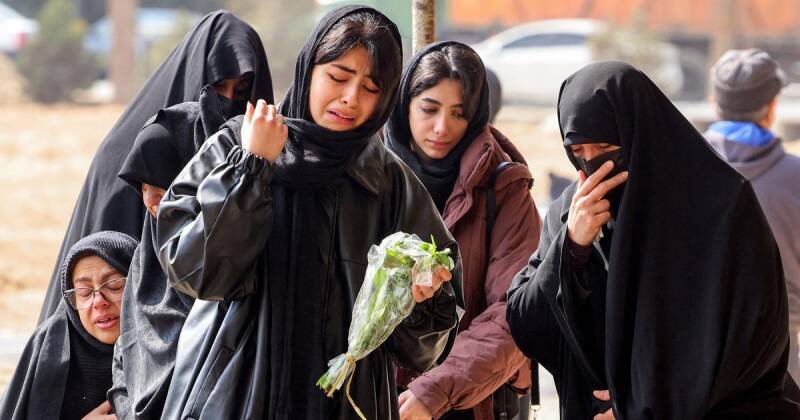



Explore how US-Israel tensions with Iran disproportionately affect Iranian women, examining the social, economic, and political consequences.
Geopolitical tensions, especially those involving the US and Israel's relationship with Iran, often have unseen consequences. One of the most significant, and often overlooked, is the disproportionate impact on Iranian women. While international focus tends to center on nuclear programs and regional power struggles, the daily lives and freedoms of Iranian women are profoundly affected by these ongoing conflicts.
The article highlights that the safety, rights, and overall participation of women in Iranian society are not just a matter of moral concern; they are fundamental to any positive and lasting progress within the nation. When international tensions rise, domestic policies within Iran often become more restrictive, impacting women's ability to participate in education, employment, and public life.
Economic sanctions, frequently used as a tool to pressure the Iranian government, hit the general population hard. But women often bear the brunt of these economic hardships. Increased poverty, limited access to healthcare, and reduced educational opportunities disproportionately affect women, hindering their progress and potential.
Understanding the plight of Iranian women is critical because it reveals a hidden dimension of international relations. It's not just about politics and power plays; it's about the real human cost of these conflicts. Ignoring the impact on women undermines any genuine effort to promote stability and progress in the region. A society that doesn't empower its women is unlikely to achieve its full potential.
Furthermore, focusing on the rights and well-being of Iranian women aligns with universal values of human rights and gender equality. Ignoring these issues reinforces the perception that these values are secondary to political expediency. By advocating for Iranian women, the international community can send a powerful message that human rights are non-negotiable.
In our opinion, the current approach of isolating Iran through sanctions and political pressure is not effectively promoting positive change for women. While the intention might be to weaken the regime, the practical outcome is often a tightening of control and a worsening of conditions for ordinary citizens, especially women.
We believe a more nuanced approach is needed. This includes targeted sanctions that minimize harm to the general population, alongside diplomatic efforts that prioritize human rights and gender equality. Supporting civil society organizations within Iran that advocate for women's rights is also crucial. These organizations are often the most effective agents of change, working from within to challenge discriminatory practices and promote women's empowerment.
The international community needs to actively engage with Iran on human rights issues, making it clear that progress on women's rights is a condition for improved relations. This requires a consistent and unwavering commitment to these values, even when it is politically challenging. This could involve leveraging international platforms, such as the United Nations, to highlight the situation of Iranian women and advocate for their rights.
The future for Iranian women remains uncertain. Much depends on the trajectory of US-Iran relations and the internal dynamics within Iran. If tensions escalate further, we could see even greater restrictions on women's freedoms. Conversely, a period of détente and engagement could create opportunities for progress.
In our opinion, supporting education and economic empowerment programs for women within Iran is vital, regardless of the political climate. These programs can provide women with the skills and resources they need to become more self-sufficient and advocate for their rights. This could impact the long-term future of women's equality in the region.
Ultimately, the fight for women's rights in Iran is an ongoing struggle. But by understanding the complexities of the situation and adopting a more nuanced approach, the international community can play a constructive role in supporting Iranian women's aspirations for a more just and equitable society.
























