Iran-US Ceasefire: Could it Mean the End for Netanyahu? Analysis & Impact
A potential Iran-US ceasefire raises questions about Netanyahu's political future. Explore the context, analysis, and future outlook in this comprehensive article.
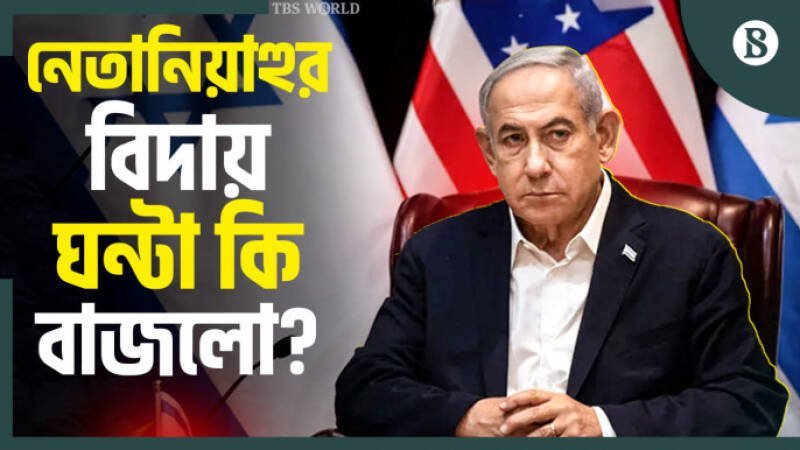



A potential Iran-US ceasefire raises questions about Netanyahu's political future. Explore the context, analysis, and future outlook in this comprehensive article.
The geopolitical landscape of the Middle East is constantly shifting, and recent whispers of a potential ceasefire or de-escalation between Iran and the United States have sent ripples of concern, and perhaps even hope, throughout the region. While details remain scarce and cautiously optimistic, the potential consequences for Israeli Prime Minister Benjamin Netanyahu are significant, potentially jeopardizing his long-standing political dominance.
For decades, the relationship between Iran and the United States has been fraught with tension. From the 1979 Iranian Revolution to disagreements over Iran's nuclear program and involvement in regional conflicts, the two nations have been locked in a complex and often hostile standoff. This tension has been a cornerstone of Netanyahu's political strategy, particularly his staunch opposition to the Iran nuclear deal (JCPOA) and his unwavering advocacy for a hard-line stance against the Iranian regime.
Netanyahu has consistently portrayed Iran as an existential threat to Israel, arguing that its nuclear ambitions must be curbed at all costs. This narrative has served to galvanize support for his government, both domestically and internationally, particularly among conservative factions in the United States.
A significant de-escalation, even a temporary ceasefire, between Iran and the US could fundamentally alter the dynamics of the region. It could pave the way for renewed negotiations on the nuclear deal, potentially leading to the lifting of sanctions against Iran. This shift could weaken Netanyahu's central argument about the Iranian threat and diminish his standing on the global stage. A less confrontational environment could also foster new alliances and diplomatic initiatives, potentially marginalizing Israel's current position.
In our opinion, the potential Iran-US ceasefire presents a considerable challenge to Netanyahu's political strategy. His long-held narrative of an imminent Iranian threat has been a key tool for maintaining power. If the Biden administration successfully brokers a period of reduced tensions and restarts nuclear negotiations, Netanyahu's warnings may lose their resonance. He will likely face increased pressure from within Israel, and internationally, to adopt a more conciliatory approach.
Further, a more cooperative relationship between the US and Iran could empower other regional actors who have historically been sidelined by the US's pro-Israel stance. This could lead to a rebalancing of power in the Middle East, potentially impacting Israel's influence.
Here are some key things to watch:
The future remains uncertain. A genuine and lasting ceasefire between Iran and the US is far from guaranteed. Hardliners on both sides could sabotage any potential agreement. However, the possibility of a de-escalation is real, and its impact on Netanyahu's political future is undeniable. This could impact his long standing role in Israeli politics.
The coming months will be crucial. We anticipate increased diplomatic activity, both publicly and behind the scenes, as the US attempts to navigate this complex situation. Netanyahu will likely attempt to undermine any potential agreement, leveraging his close ties with conservative elements in the US and his strong voice in the international community. The success of his efforts, and his subsequent political survival, will depend on the degree to which the US and Iran are able to achieve a meaningful and sustainable de-escalation of tensions. This remains to be seen.
Ultimately, the question of whether the Iran-US ceasefire sounds the death knell for Netanyahu is a question of political maneuvering, international diplomacy, and the ever-unpredictable dynamics of the Middle East.