Iran Shoots Down US Aircraft: Escalation, Analysis, and Future Outlook
Iran shoots down two US military aircraft, escalating tensions. We analyze the implications, potential future scenarios, and what this means for global stability.
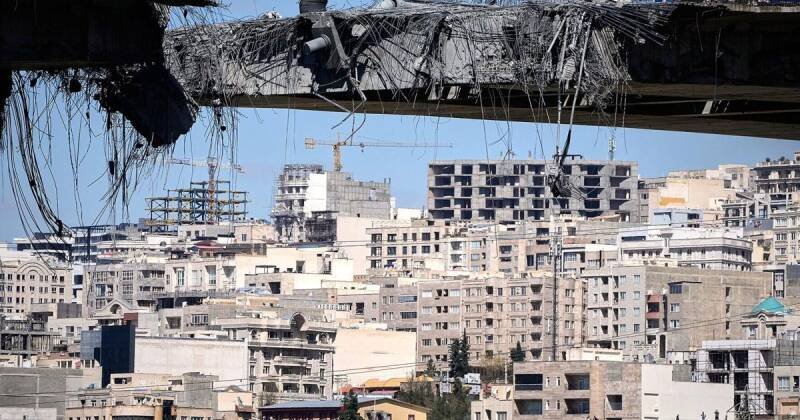



Iran shoots down two US military aircraft, escalating tensions. We analyze the implications, potential future scenarios, and what this means for global stability.
In a significant and alarming development, Iran shot down two US military aircraft in separate incidents on Friday. This dramatic escalation comes after nearly five weeks of heightened tensions in the region. While one US service member was rescued, at least one remains missing, according to initial reports. The incidents are rapidly reshaping the geopolitical landscape and raising serious questions about the future of peace and stability in the Middle East.
Details are still emerging, but the available information indicates that the two aircraft were downed in separate attacks. The circumstances surrounding each incident are being investigated, including the types of aircraft involved and the location of the shootdowns. The Pentagon has confirmed the incidents and is expected to release further details as they become available. The Iranian government has yet to issue a detailed statement but has claimed responsibility for defending its airspace.
This event marks a significant turning point. The downing of US military aircraft by Iran represents a direct confrontation that was, until now, largely avoided. This escalation could easily spiral out of control, leading to further military action and potentially a full-scale conflict. The implications extend beyond the immediate region, impacting global oil prices, international relations, and the security of allies in the Middle East.
In our opinion, several factors contributed to this dangerous escalation. Firstly, the ongoing tensions between the US and Iran, fueled by sanctions, proxy conflicts, and differing geopolitical objectives, created a volatile environment. Secondly, miscalculations on both sides may have played a role. Iran, perhaps, sought to send a strong message of deterrence. The US, on the other hand, may have underestimated Iran's willingness to retaliate. This could be a result of the US intelligence services not having a complete picture of the Iranian capabilities.
This event is more than just a military incident. It's a clear signal that the existing strategies for de-escalation have failed. The international community must find a way to bring both sides back to the negotiating table before the situation deteriorates further. Economic sanctions are proving ineffectual as a negotiating tool, and are now viewed as a method of aggression that invites an equal and opposite reaction.
The immediate future is highly uncertain. Here are a few possible scenarios:
It's important to consider the potential for unintended consequences. Any military action carries the risk of miscalculation and escalation. Furthermore, the involvement of other regional actors, such as Saudi Arabia, Israel, and Russia, could further complicate the situation.
Ultimately, a long-term solution requires a comprehensive diplomatic approach. This includes addressing the underlying causes of the conflict, such as Iran's nuclear program, its support for regional proxies, and the US sanctions regime. It also requires building trust and establishing clear communication channels to prevent future misunderstandings.
This could impact oil prices, creating instability in the global markets. In our opinion, the international community should focus all efforts on a path toward de-escalation, for the sake of peace in the Middle East and global security. The absence of a clear leader in the United States further complicates the situation and can embolden rogue states to test the resolve of the current administration.
























