Iran Executes Two Protesters: What You Need to Know
Iran has executed two men involved in January protests. We break down the news, its significance, and what it means for the future of dissent in Iran.
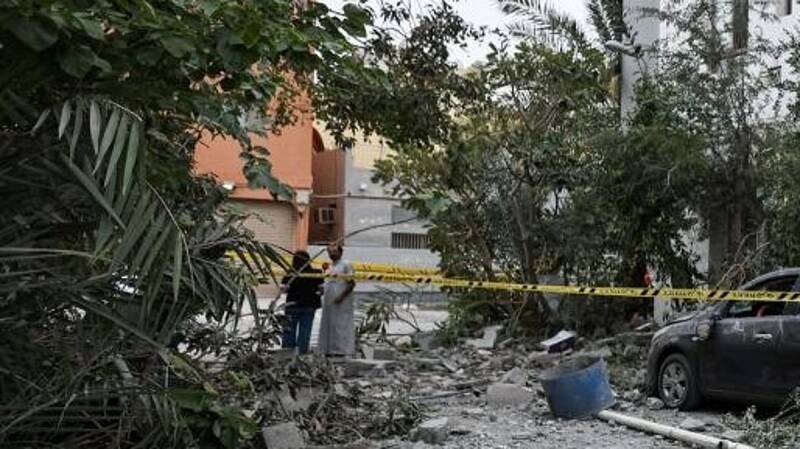



Iran has executed two men involved in January protests. We break down the news, its significance, and what it means for the future of dissent in Iran.
Iranian authorities have executed two men who were arrested in connection with protests that took place in January. The country's judiciary announced the executions, stating the men were involved in an attempt to storm a military site. This news has sparked international condemnation and raised serious concerns about the fairness of the trials and the broader crackdown on dissent in Iran.
According to reports from Iranian judiciary outlets, the two men were accused of attempting to attack a military base during the January protests. While specific details of the alleged attack remain unclear, human rights organizations have expressed grave concerns about the process leading to their execution. These organizations allege that the men were subjected to torture and forced to confess to crimes they did not commit. This is a recurring pattern in Iran's handling of dissent, and it fuels distrust in the judicial process.
A primary concern highlighted by human rights groups is the allegation that the confessions used to convict the men were obtained through torture. This is a violation of international human rights law and raises serious questions about the legitimacy of the judicial proceedings. Sadly, reports of torture and coerced confessions are not uncommon in Iran, particularly in cases involving political dissent. These practices undermine the rule of law and erode public trust in the justice system.
The execution of these two men sends a chilling message to anyone considering participating in protests against the Iranian government. It highlights the severe consequences that dissenters may face. Furthermore, it raises serious concerns about the human rights situation in Iran, particularly the right to protest and freedom of expression. This is not just an internal matter; it has implications for international relations and the global fight for human rights.
In our opinion, these executions are a deeply disturbing development. The allegations of torture and forced confessions are particularly troubling. It suggests a systematic disregard for due process and fair trial rights. This could impact Iran's relationship with the international community, particularly Western nations that have consistently voiced concerns about Iran's human rights record. The Iranian government's actions seem designed to quell any form of opposition, creating an atmosphere of fear and repression.
The executions may serve as a deterrent, discouraging some individuals from participating in future protests. However, they could also backfire, fueling further anger and resentment towards the government. History has shown that repression often breeds resistance. It's possible that these actions will galvanize the opposition and lead to more widespread protests in the long run.
The future of political dissent in Iran remains uncertain. The government seems determined to suppress any form of opposition, but the underlying grievances that fuel the protests are unlikely to disappear. International pressure on Iran to respect human rights is crucial. This includes calls for fair trials, an end to torture, and the release of political prisoners.
Looking ahead, we anticipate continued monitoring of the human rights situation in Iran by international organizations. The global community must hold Iran accountable for its actions and advocate for the protection of fundamental freedoms. Only through sustained pressure and engagement can we hope to see meaningful improvements in the human rights situation in Iran.
























