Iran Ceasefire Threatened: Disagreements over Lebanon and Strait of Hormuz
Explore the fragile Iran ceasefire, threatened by Israeli actions in Lebanon and Iran's control of the Strait of Hormuz. Understand the implications and future outlook.
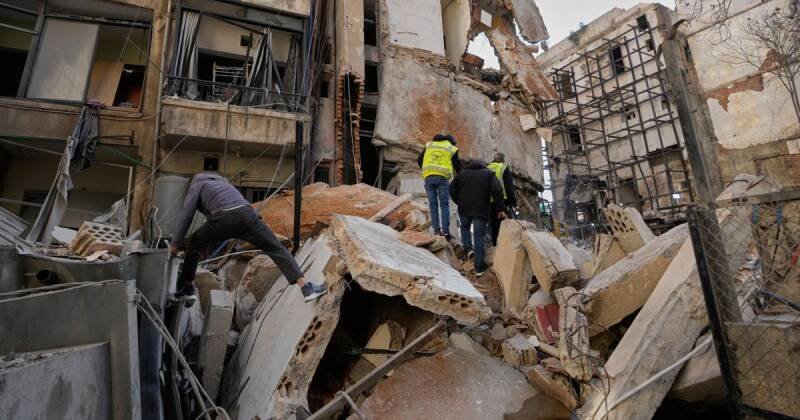



Explore the fragile Iran ceasefire, threatened by Israeli actions in Lebanon and Iran's control of the Strait of Hormuz. Understand the implications and future outlook.
A newly established ceasefire aimed at de-escalating tensions involving Iran is facing significant challenges. While a formal cessation of hostilities was initially agreed upon, deep-seated disagreements over Israel's military actions in Lebanon and Iran's ongoing control of the Strait of Hormuz are threatening to unravel the fragile peace.
The primary sticking points are twofold. First, Israel's intense bombardment of Beirut is fueling anger and resentment, making it difficult for Iran to maintain its commitment to the ceasefire. Second, Iran's continued strategic control over the Strait of Hormuz, a vital waterway for global oil supplies, remains a source of international concern and a point of contention in negotiations.
The Strait of Hormuz is particularly crucial. It is a narrow passage connecting the Persian Gulf to the Gulf of Oman and the Arabian Sea. A significant percentage of the world's oil supply passes through this strategic choke point, making its stability paramount to the global economy.
The failure of this ceasefire could have far-reaching consequences. Increased instability in the Middle East could lead to higher oil prices, impacting economies worldwide. Further escalation could also draw in other regional and international actors, potentially leading to a wider conflict. This situation directly impacts global security and economic stability, making it essential to understand the underlying issues and potential outcomes.
In our opinion, the situation is incredibly complex and requires a nuanced approach. While a ceasefire is a positive first step, it's clear that addressing the root causes of the conflict is essential for long-term stability. Israel's actions in Lebanon, while possibly justified from their perspective, are undoubtedly inflaming tensions and making it harder for Iran to commit to de-escalation. Similarly, Iran's control of the Strait of Hormuz, while understandable from a strategic standpoint, is viewed by many as a potential threat to global commerce.
The key to progress lies in fostering dialogue and finding common ground. International mediators must actively engage with all parties involved to address their concerns and facilitate a path towards a lasting resolution. This will require careful diplomacy, a willingness to compromise, and a focus on mutual security interests.
Effective international mediation is crucial. This involves not only facilitating direct talks between Iran and its adversaries but also addressing the underlying issues that fuel the conflict. This includes finding a solution to the situation in Lebanon and establishing clear guidelines for the use of the Strait of Hormuz.
The future remains uncertain. If the current disagreements persist, the ceasefire is likely to collapse, leading to a renewed cycle of violence. This could impact the stability of the entire region, with potentially devastating consequences. However, if all parties are willing to engage in genuine dialogue and compromise, there is still a chance to achieve a lasting peace.
Looking ahead, several factors will be critical in determining the outcome. These include:
Ultimately, the success of the ceasefire depends on the commitment of all parties to prioritize peace and stability over short-term strategic gains. We believe that a collaborative approach, focused on addressing the underlying issues and building trust, is the only viable path towards a lasting resolution.
























