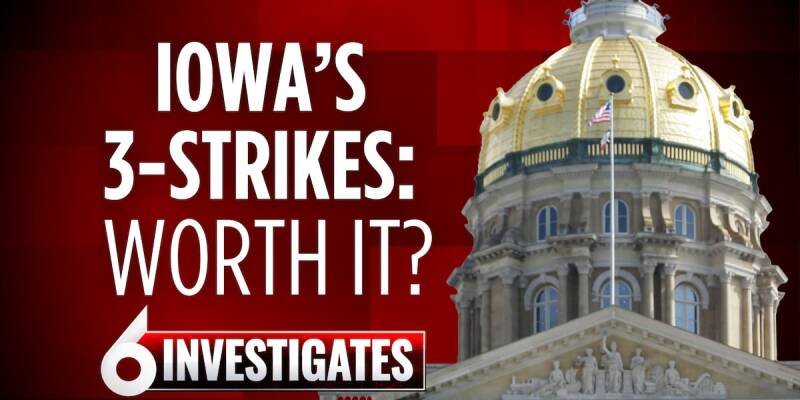
Iowa's "Three Strikes" Law: A Closer Look at Mandatory Sentencing
Iowa is considering a "three strikes" law mandating 20-year sentences for repeat offenders. This article breaks down the proposed law, its potential impact, and the future outlook.
Iowa's "Three Strikes" Law: Mandatory 20-Year Sentences on the Horizon?
Iowa may soon implement one of the strictest repeat offender laws in the nation, often referred to as a "three strikes" law. This legislation aims to impose a mandatory 20-year prison sentence on individuals convicted of a third serious crime. Let's break down what this means and why it's generating so much discussion.
What is the Proposed Law?
The proposed law targets repeat offenders, specifically those convicted of a third qualifying crime. The details surrounding which crimes would qualify under the "three strikes" umbrella are still being debated, but the intent is clear: to significantly increase the penalty for individuals who repeatedly commit serious offenses. The core principle behind this law is to remove habitual criminals from society for a longer period, thus potentially deterring future crime.
What Crimes Would Qualify?
While the specific list of qualifying crimes is still under consideration by the Iowa legislature, these laws typically target violent felonies such as:
- Murder
- Robbery
- Aggravated Assault
- Sex Offenses
- Certain Drug Trafficking Offenses
The exact definition of what constitutes a "serious" crime, and whether property crimes would be included, is crucial and will have a significant impact on the law's scope.
Why This News Matters
This proposed law has significant implications for several reasons. First, it represents a substantial shift in Iowa's approach to criminal justice, moving towards harsher penalties for repeat offenders. Second, it raises important questions about the effectiveness of mandatory minimum sentences and their potential impact on prison populations and the state budget. Third, it sparks a critical debate about the balance between punishment, rehabilitation, and public safety. The outcome of this legislation could reshape the landscape of criminal justice in Iowa for years to come.
Our Analysis
In our opinion, this "three strikes" proposal is a complex issue with potential benefits and drawbacks. While the intention to protect public safety and deter crime is laudable, the effectiveness of mandatory minimum sentences is a subject of ongoing debate. Studies have shown mixed results, with some suggesting a reduction in crime rates and others highlighting the potential for unintended consequences, such as increased prison populations and disproportionate impact on certain demographics.
This could impact the lives of many Iowans. The long prison sentences are likely to strain the state's correctional system. Furthermore, the financial burden on taxpayers could increase substantially, diverting funds from other crucial areas like education and healthcare.
Potential Downsides
* **Overcrowding:** Mandatory sentences can lead to prison overcrowding, straining resources and potentially leading to poorer conditions for inmates.
* **Cost:** The cost of incarcerating individuals for extended periods is significant, placing a burden on taxpayers.
* **Disproportionate Impact:** These laws can disproportionately affect minority communities and individuals from lower socioeconomic backgrounds.
* **Limited Rehabilitation:** Longer sentences may not necessarily lead to rehabilitation, potentially increasing the likelihood of re-offending upon release.
Future Outlook
The future of this "three strikes" law in Iowa remains uncertain. The legislature will need to carefully consider the potential benefits and drawbacks before making a final decision. Public opinion will likely play a significant role in shaping the outcome. It's crucial for lawmakers to engage in a thorough and transparent debate, considering input from various stakeholders, including law enforcement, legal experts, community organizations, and the public. The long-term consequences of this law could be profound, impacting not only the criminal justice system but also the social fabric of Iowa. We anticipate further discussions and possible amendments to the proposed legislation before it is voted on. The final version of the law, and how it is implemented, will determine its true impact on crime rates and the lives of Iowans.