Iowa House Approves Higher Speed Limit on Two-Lane Highways: What It Means for Drivers
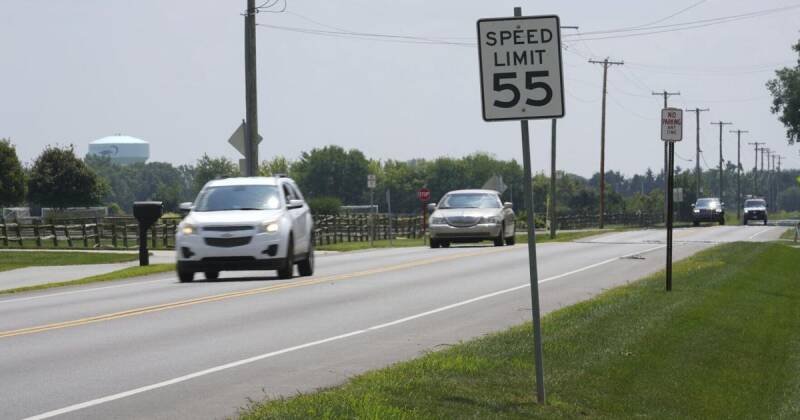
The Iowa House passed a bill to increase the speed limit on two-lane highways from 55 mph to 60 mph. Learn what this means for drivers, the potential impact, and what to expect in the future.
Iowa House Greenlights Higher Speed Limit on Two-Lane Highways
The Iowa House of Representatives has approved a bill to raise the speed limit on two-lane highways across the state. The change, if enacted, would increase the speed limit from the current 55 mph to 60 mph. This decision follows years of pressure from constituents who have voiced their desire for higher speed limits.
Background to the Change
House Speaker Pat Grassley publicly stated that Iowans have consistently requested this increase. This legislative action reflects an effort to address these concerns and modernize transportation regulations within the state. It acknowledges that vehicle technology and road conditions have evolved since the initial implementation of the 55 mph speed limit.
Why This News Matters
This change could significantly impact drivers in Iowa, especially those who frequently use the state's network of two-lane highways. A higher speed limit could potentially reduce travel times, making commutes and long-distance trips more efficient. However, it also raises concerns about safety and the potential for increased accidents.
For rural communities, this could have an economic impact, facilitating faster movement of goods and services across the state. This increase could lead to increased efficiencies for farmers and businesses that rely on Iowa's highway system for their operations.
Our Analysis
In our opinion, while the desire for increased speed limits is understandable, a careful assessment of the potential consequences is crucial. While modern vehicles have improved safety features, higher speeds invariably increase the risk of accidents and the severity of injuries. A 5 mph increase might not seem like much, but it can have a noticeable impact on stopping distances and the outcome of a collision.
A key factor will be how effectively this change is communicated to drivers and how well it is enforced. Increased driver awareness and adherence to the new speed limit will be vital to minimize any adverse effects on traffic safety. We believe that increased signage and public information campaigns will be essential to ensure a smooth transition.
Potential Concerns
- Increased Accident Risk: Higher speeds often lead to an increased risk of accidents, particularly in areas with frequent intersections or wildlife crossings.
- Enforcement Challenges: Ensuring compliance with the new speed limit will require diligent law enforcement.
- Impact on Vulnerable Road Users: The safety of pedestrians, cyclists, and farm equipment operators on two-lane roads could be compromised.
Future Outlook
The bill will now move through the legislative process, including consideration by the Iowa Senate. If approved by the Senate and signed into law by the governor, the new speed limit will come into effect. It's likely that the implementation will be accompanied by a period of public awareness campaigns and enhanced traffic enforcement.
This could impact insurance premiums for drivers in the state, depending on how insurance companies assess the risks associated with the higher speed limit. Drivers should be prepared to adjust their driving habits and be extra cautious, especially in the initial period following the change.
Monitoring and Evaluation
It will be essential to monitor the impact of the increased speed limit on accident rates, traffic flow, and overall road safety. Data should be collected and analyzed to determine whether the change has had the intended effect of improving efficiency without compromising safety. This information can then inform future decisions regarding speed limits and transportation policy.
Ultimately, the success of this initiative will depend on a combination of responsible driving, effective enforcement, and continuous monitoring. We hope that the state of Iowa will prioritize safety while also ensuring efficient transportation for its citizens.