Indiana Healthcare Crisis: Preventative Care Lagging Behind Neighbors
A new report reveals that Indiana residents are less likely to receive preventative healthcare and screenings compared to neighboring states. What does this mean for Hoosiers and the future of healthcare in Indiana?
Indiana Falling Behind in Preventative Healthcare: A Deep Dive
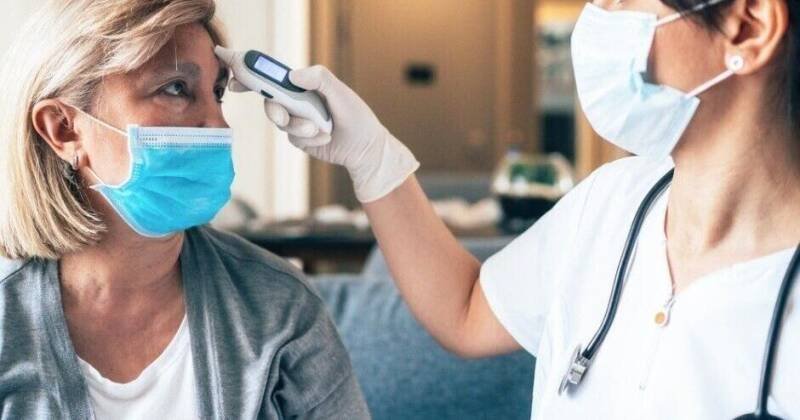
A recent report by the Indiana Business Health Collective paints a concerning picture of healthcare access and utilization within the state. The report highlights a significant gap between Indiana residents and their neighbors in surrounding states when it comes to receiving routine primary care and critical preventative screenings.
Key Findings of the Report
The report specifically points to lower rates of primary care checkups and screenings for conditions like cervical cancer among Hoosiers compared to residents of states bordering Indiana. This suggests a potential issue with access, awareness, or utilization of preventative healthcare services within the state.
Why This News Matters
This news is important for several reasons:
- Individual Health: Preventative care is crucial for early detection and management of diseases. Lack of access can lead to delayed diagnoses and more severe health outcomes.
- Healthcare Costs: Treating diseases in their later stages is often far more expensive than preventing them in the first place. This impacts both individuals and the overall healthcare system.
- Workforce Productivity: A healthier population is a more productive workforce. Poor access to healthcare can contribute to absenteeism and reduced productivity.
- Community Well-being: Overall health outcomes reflect the well-being of a community. Lower rates of preventative care suggest underlying issues that need to be addressed.
Our Analysis
In our opinion, the report's findings are deeply concerning. While the report itself highlights the disparities, it raises several critical questions. Is this a matter of affordability? Are there geographical barriers preventing access to care in rural areas? Is there a lack of awareness about the importance of preventative screenings? Or, perhaps, a combination of all these factors?
The Indiana Business Health Collective’s report is a valuable starting point, but further investigation is needed to understand the root causes of this disparity. Without a clear understanding of the 'why,' it will be difficult to develop effective solutions.
It is crucial to note that preventative screenings like cervical cancer screenings are proven to save lives. Lower participation rates directly translate to a higher risk of late-stage diagnosis and decreased survival rates. This is unacceptable, and immediate action is needed.
Future Outlook
The future hinges on the response to this report. Several actions could be taken to improve the situation:
- Increased Funding: Invest in public health programs that promote preventative care and screenings.
- Improved Access: Expand access to healthcare services in underserved areas, potentially through mobile clinics or telehealth initiatives.
- Public Awareness Campaigns: Launch targeted campaigns to educate the public about the importance of preventative care and available resources.
- Affordable Care Options: Explore options to make healthcare more affordable, such as subsidies or expanded Medicaid coverage.
This could impact Indiana's economy and overall quality of life. If this trend isn't reversed, Indiana risks falling further behind its neighboring states in terms of health outcomes and economic competitiveness.
Furthermore, future research should focus on identifying specific populations that are most at risk for lacking preventative care. This will allow for more targeted interventions and resources.
Ultimately, addressing this issue requires a collaborative effort from policymakers, healthcare providers, and community organizations. We believe that by working together, Indiana can improve access to preventative care and create a healthier future for all Hoosiers.