India Heatwave Alert: IMD Issues Warnings Amid Rising Temperatures
The Indian Meteorological Department (IMD) has issued heatwave advisories across India. Learn about the affected areas, the dangers of heatwaves, and what this means for the future.
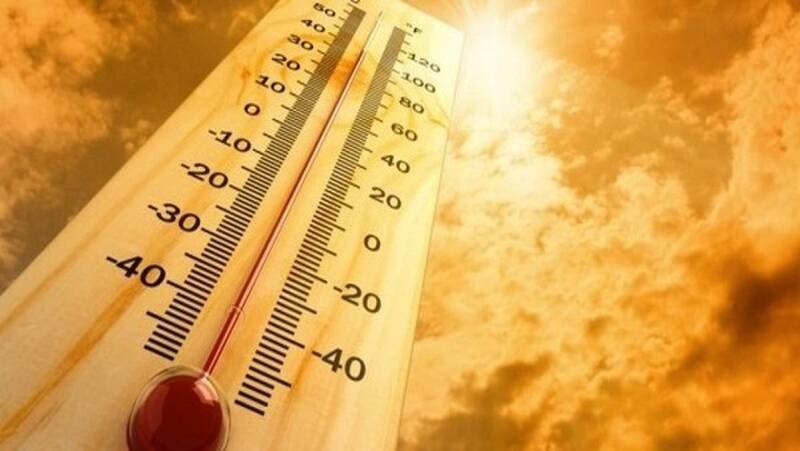



The Indian Meteorological Department (IMD) has issued heatwave advisories across India. Learn about the affected areas, the dangers of heatwaves, and what this means for the future.
The Indian Meteorological Department (IMD) has issued heatwave advisories across various parts of India as temperatures continue to climb. This alert signals a period of potentially dangerous heat, urging residents and authorities to take precautions.
Several regions are experiencing significantly higher-than-average temperatures, leading the IMD to issue official heatwave warnings. These warnings are designed to alert the public to the potential health risks associated with prolonged exposure to extreme heat.
Heatwaves are defined by prolonged periods of abnormally high temperatures, often accompanied by high humidity. They can place a significant strain on the human body, leading to heatstroke, dehydration, and other heat-related illnesses.
Heatwaves are not just uncomfortable; they can be deadly. Vulnerable populations, such as the elderly, children, and those with chronic illnesses, are particularly at risk. Beyond the immediate health impacts, heatwaves can also strain infrastructure, impacting power grids and water supplies. The increased demand for electricity for cooling can lead to power outages, exacerbating the problem. Furthermore, agricultural yields can suffer due to the intense heat, potentially leading to food shortages and price increases.
The rising frequency and intensity of heatwaves in India are consistent with the broader trends of climate change. Global warming is causing average temperatures to rise, making extreme heat events more common and severe. While natural weather patterns play a role, the underlying driver is undeniably human-induced climate change. In our opinion, this situation underscores the urgent need for India to implement robust climate adaptation and mitigation strategies.
The IMD's role in issuing these advisories is crucial. Early warnings allow individuals and communities to prepare for extreme heat, reducing the risk of heat-related illnesses and deaths. These advisories provide valuable information on how to stay safe during heatwaves, including staying hydrated, avoiding strenuous activity during the hottest parts of the day, and seeking shade or air conditioning.
Unfortunately, climate models predict that heatwaves will become more frequent and intense in India in the coming years. This could impact the country's economy, public health, and overall quality of life. Adaptation measures, such as improving building insulation, expanding access to air conditioning, and promoting water conservation, will be essential to mitigate the negative impacts. Furthermore, reducing greenhouse gas emissions is crucial to slowing down the rate of climate change and preventing even more severe heatwaves in the future.
In our opinion, a proactive approach is vital. This includes not only issuing heatwave advisories but also investing in long-term solutions to build resilience to climate change. This means developing sustainable infrastructure, promoting energy efficiency, and implementing policies that protect vulnerable communities. The challenges posed by rising temperatures are significant, but with coordinated action, India can protect its citizens and build a more sustainable future.
























