Hyderabad Food Safety Seizures: Are Raids Enough to Guarantee Safe Food?
Hyderabad food safety officials seized 76 tonnes of adulterated food. This article analyzes the effectiveness of raids, the impact on consumers, and future steps needed for a safer food supply.
Hyderabad Food Safety Seizures: Are Raids Enough to Guarantee Safe Food?
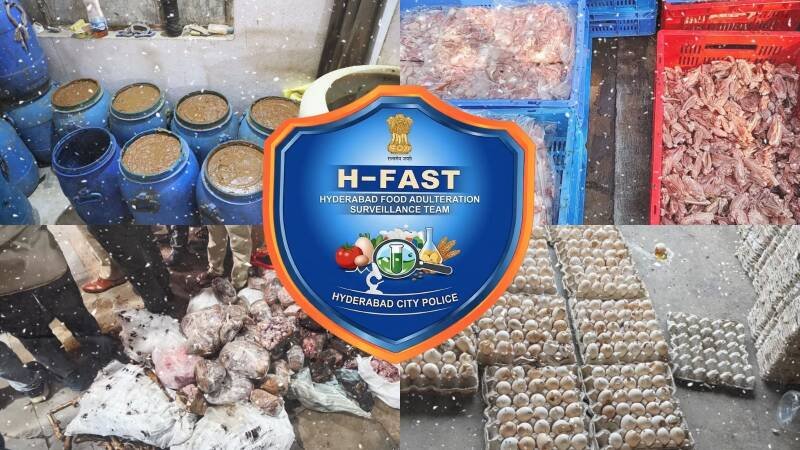
Recent raids by Hyderabad's food safety unit have uncovered a disturbing trend: widespread adulteration of common food products. In the past month alone, authorities seized a staggering 76 tonnes of impure food items from various manufacturing units across the city.
What Was Found?
The investigations revealed shocking practices, including the use of used tea powder being mixed into fresh batches, excessive preservatives in ginger-garlic paste, and missing ingredients in essential food items. These findings have understandably raised serious concerns among Hyderabad residents about the safety and quality of the food they consume daily.
Scale of the Problem
The sheer volume of adulterated food seized – 76 tonnes – highlights the scale of the problem. It suggests that adulteration is not an isolated incident but rather a systemic issue that requires a comprehensive and sustained response.
Why This News Matters
This news matters because it directly impacts the health and well-being of Hyderabad residents. Consuming adulterated food can lead to various health problems, ranging from minor digestive issues to more serious long-term health complications. Furthermore, it erodes public trust in the food industry and raises questions about the effectiveness of current food safety regulations.
Our Analysis
While the raids are undoubtedly a positive step, the question remains: are they enough? In our opinion, relying solely on raids is a reactive approach that addresses the symptoms of the problem but not the root causes. Raids can deter some unscrupulous manufacturers, but they are unlikely to eliminate the problem entirely.
A more proactive and comprehensive approach is needed, one that includes:
- Stricter enforcement of food safety regulations: This includes increasing the frequency of inspections, imposing heavier penalties on offenders, and streamlining the process for reporting and investigating complaints.
- Increased consumer awareness: Educating consumers about how to identify adulterated food and empowering them to make informed choices is crucial.
- Strengthening the food safety infrastructure: This involves investing in better testing facilities, training more food safety inspectors, and modernizing the food safety regulatory framework.
- Incentivizing ethical practices: Creating a system that rewards businesses that prioritize food safety and quality can encourage ethical behavior within the industry.
Future Outlook
The future outlook for food safety in Hyderabad hinges on the implementation of a more robust and proactive approach. If the authorities continue to rely solely on raids, we can expect the problem of food adulteration to persist. However, if they adopt a comprehensive strategy that addresses the root causes, there is hope for a safer and more trustworthy food supply.
This could impact local businesses in multiple ways. Businesses following ethical practices may find themselves with a competitive advantage, while those involved in adulteration will face increased scrutiny. Consumers, armed with more awareness, may shift their purchasing decisions, influencing market dynamics.
In our opinion, a collaborative effort involving the government, food industry, and consumers is essential to ensure a safe and healthy food environment for all Hyderabad residents. This requires a commitment to transparency, accountability, and a shared responsibility for maintaining high food safety standards.