Hezbollah Strengthened After Month of War: Analysis & Future Outlook
Despite the pain of Lebanese civilians, Hezbollah appears strengthened after a month of war with Israel. Our analysis delves into the unexpected capabilities of the Shia militia and what it means for the region.
Hezbollah Strengthened After Month of War: Lebanese Civilians Pay the Price
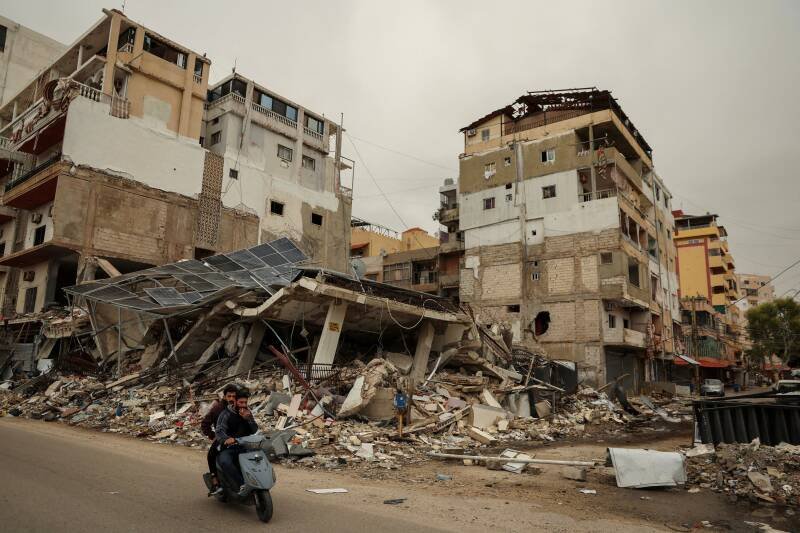
A month of conflict between Israel and Hezbollah has left a trail of destruction and displacement in Lebanon. Over a million Lebanese civilians have been displaced, enduring immense suffering. Yet, amidst this pain, reports suggest that Hezbollah, the Shia militia, has emerged with its capabilities surprisingly intact. This is despite the Israeli army's efforts to weaken the group.
The Unexpected Resilience of Hezbollah
The Israeli military appears to have underestimated Hezbollah's resilience and preparedness. Initial assessments suggested a swift degradation of Hezbollah's capabilities. However, the reality on the ground paints a different picture. The militia has demonstrated a capacity to sustain operations, launch attacks, and maintain a robust presence, even under heavy Israeli fire.
Why This News Matters
This news is significant for several reasons:
- Regional Stability: A strengthened Hezbollah could further destabilize the already volatile Middle East. It could embolden the group to take more aggressive actions, potentially leading to wider conflicts.
- Israeli Security: Hezbollah's continued strength poses a direct threat to Israel's security. The militia's ability to launch rockets and conduct cross-border attacks remains a major concern.
- Lebanese Future: The conflict further weakens Lebanon's already fragile state. The displacement crisis and infrastructure damage will have long-term consequences for the country's recovery.
- International Relations: This situation complicates international efforts to mediate a lasting peace in the region. The international community may need to reassess its strategies for dealing with Hezbollah.
Our Analysis
In our opinion, several factors contributed to Hezbollah's resilience. Firstly, the group has likely learned from past conflicts and invested heavily in defensive infrastructure, including underground bunkers and tunnels. Secondly, Hezbollah benefits from strong support within certain segments of the Lebanese population and enjoys external backing, enabling it to replenish resources and manpower. Thirdly, the Israeli military’s tactics, while effective in some areas, may not be sufficient to completely neutralize a deeply entrenched and adaptable organization like Hezbollah.
This conflict also highlights the limitations of purely military solutions in dealing with non-state actors. While Israel may be able to inflict significant damage on Hezbollah, it is unlikely to eliminate the group entirely. A more comprehensive approach, involving diplomatic engagement, economic development, and political reforms within Lebanon, may be necessary to address the root causes of the conflict.
Future Outlook
The future remains uncertain. Several possible scenarios could unfold:
- Escalation: The conflict could escalate into a full-blown war, drawing in other regional actors. This would have devastating consequences for both Lebanon and Israel.
- Stalemate: The current situation could persist, with sporadic clashes and a continued state of tension. This would perpetuate the suffering of civilians and hinder long-term stability.
- Negotiated Settlement: A negotiated settlement could be reached, leading to a ceasefire and a framework for addressing the underlying issues. This would require concessions from both sides and the involvement of international mediators.
In our opinion, a negotiated settlement is the most desirable outcome, but it will require a significant shift in attitudes and priorities from all parties involved. This could impact the overall power dynamic in the region, setting precedence for future conflicts. The international community has a crucial role to play in facilitating dialogue and providing support for Lebanon's recovery. Failure to address the underlying causes of the conflict will only perpetuate the cycle of violence and instability.