Growing Sweet Potatoes in Oregon: Expert Tips and Tricks
Learn how to grow sweet potatoes successfully in Oregon with expert advice, overcoming climate challenges. Discover why this news matters, our analysis, and the future outlook for local sweet potato farming.
Growing Sweet Potatoes in Oregon: A Sweet Success Story!
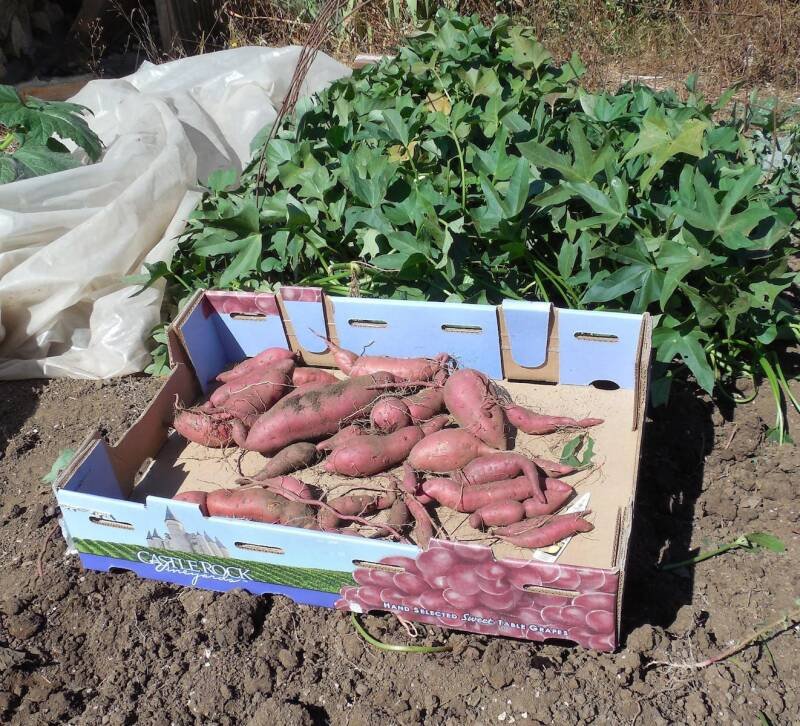
For many Oregon gardeners, the thought of growing sweet potatoes might seem like a pipe dream. These warm-weather vegetables are often associated with southern climates, leading many to believe they're simply not suited for the Beaver State. However, an Oregon gardening expert is challenging this notion, sharing simple tricks that can make sweet potato cultivation a reality, even in cooler conditions.
Overcoming the Oregon Climate
The key to successfully growing sweet potatoes in Oregon lies in understanding and adapting to the local climate. Oregon's summers are typically shorter and cooler than those in traditional sweet potato-growing regions. This means gardeners need to take proactive steps to create a warmer, more hospitable environment for these heat-loving plants.
One crucial trick is starting sweet potatoes indoors well before the last frost. This gives the plants a head start and allows them to develop a strong root system before being transplanted outdoors. Another important factor is selecting a sunny, sheltered location in your garden. South-facing spots are ideal, as they receive the most sunlight throughout the day.
Expert Tips for a Bountiful Harvest
Beyond starting early and choosing the right location, there are several other tips that can help Oregon gardeners achieve a bountiful sweet potato harvest. These include:
- Using raised beds: Raised beds warm up faster than in-ground gardens, providing a warmer environment for sweet potato roots.
- Employing black plastic mulch: Black plastic mulch helps retain heat and suppress weeds, creating a favorable growing environment.
- Choosing early-maturing varieties: Opt for sweet potato varieties that are known to mature quickly, giving them the best chance to ripen before the end of the growing season. Examples include 'Georgia Jet' and 'Beauregard'.
- Providing consistent watering: Sweet potatoes need consistent moisture, especially during the early stages of growth.
Why This News Matters
This news is significant for several reasons. First, it empowers Oregon gardeners to grow their own nutritious food, promoting self-sufficiency and reducing reliance on imported produce. Sweet potatoes are packed with vitamins, minerals, and antioxidants, making them a valuable addition to any diet. Second, it highlights the adaptability of gardening practices to different climates. By implementing specific techniques, gardeners can successfully cultivate crops that might otherwise be considered unsuitable for their region. Finally, this initiative has the potential to boost local agriculture and promote sustainable food systems within Oregon.
Our Analysis
In our opinion, the expert's advice is both practical and encouraging. The suggested techniques are relatively simple and can be implemented by gardeners of all skill levels. The emphasis on early starting, heat retention, and variety selection is particularly important for overcoming the challenges posed by Oregon's climate. This could impact local communities by increasing access to fresh, healthy, locally-grown produce. We believe that wider adoption of these methods could lead to a significant increase in sweet potato production within the state.
Future Outlook
Looking ahead, the future of sweet potato cultivation in Oregon appears promising. As climate change continues to impact weather patterns, innovative gardening techniques like these will become increasingly important for ensuring food security. Furthermore, the growing interest in local and sustainable food systems is likely to drive further experimentation and refinement of sweet potato growing methods in Oregon. We anticipate that more gardeners will embrace these techniques, leading to a more diverse and resilient local food supply. Future research could focus on identifying sweet potato varieties that are particularly well-suited to Oregon's specific climate conditions and on optimizing growing practices for maximum yield and quality.