Free Bus Rides for Women & Transgenders in Delhi: What It Means for You
Delhi's Chief Minister announces free, unlimited bus travel for women and transgenders using "pink cards." Learn about the implications and future outlook of this policy.
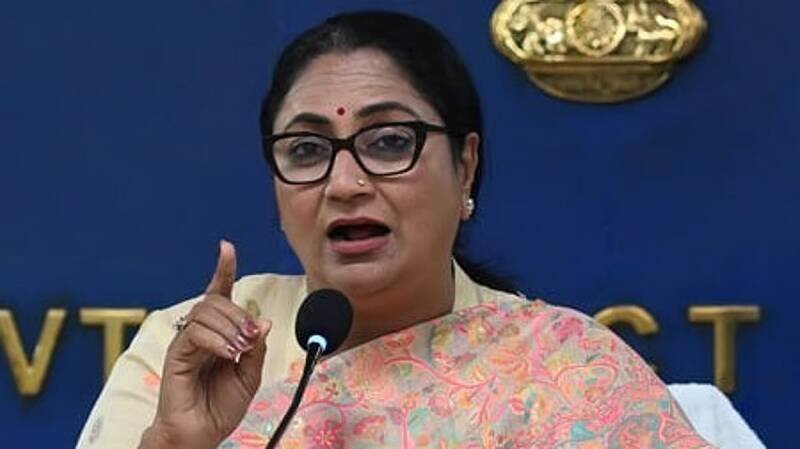



Delhi's Chief Minister announces free, unlimited bus travel for women and transgenders using "pink cards." Learn about the implications and future outlook of this policy.
In a significant move aimed at promoting accessibility and inclusivity, the Chief Minister of Delhi has announced that women and transgender individuals will now be able to enjoy free, unlimited bus travel within the city. This initiative will be facilitated through the use of specially designated "pink cards."
The Chief Minister explained that the pink card system operates on short time intervals, specifically 5, 10, and 15-minute segments. This means that women and transgender individuals holding these cards can travel on Delhi Transport Corporation (DTC) buses without any financial burden, for an unlimited number of times within these timeframes.
This policy is more than just a free ride; it's a statement about prioritizing the needs of women and transgender individuals within Delhi. Access to affordable and reliable transportation can drastically improve their quality of life. It allows for greater access to education, employment, healthcare, and other essential services. By removing the financial barrier of bus fares, the Delhi government is empowering these communities to participate more fully in the city's economic and social life.
For example, a woman who previously struggled to afford daily transportation to her workplace can now travel freely, increasing her income and financial stability. Similarly, a transgender individual facing societal discrimination might find increased confidence and independence thanks to this policy.
In our opinion, this initiative is a bold and commendable step towards creating a more equitable and inclusive society. While seemingly simple, the impact of free bus travel can be far-reaching, particularly for those who are economically disadvantaged. The pink card system, while described briefly, raises some questions about the practical implementation and potential for misuse, which the Delhi government will need to address proactively.
One potential area of concern is the logistics of distributing and managing these pink cards. A clear and accessible process will be crucial to ensure that those who are eligible can easily obtain and utilize the cards. Furthermore, preventing fraud and ensuring the system isn't abused will be paramount.
This policy could also impact the DTC's revenue. The government will need to allocate sufficient funds to compensate for the lost fare revenue to maintain the bus service's quality and frequency. The success of this program hinges on adequate funding and efficient management.
The long-term success of this initiative will depend on several factors, including effective implementation, continued funding, and ongoing monitoring. The Delhi government should consider conducting regular assessments to evaluate the policy's impact and make necessary adjustments. This data-driven approach will help ensure that the program achieves its intended goals and remains sustainable in the long run.
If the initial rollout proves successful, the Delhi government might consider expanding the scheme to include other marginalized groups or explore similar initiatives in other areas, such as free metro rides or subsidized housing. This policy could serve as a model for other cities and states in India looking to improve accessibility and promote social justice.
Overall, this initiative represents a positive step towards a more equitable and inclusive Delhi. However, its ultimate success will depend on careful planning, diligent implementation, and a commitment to addressing the challenges that may arise. We will continue to monitor this development and provide updates as they become available.
























