Formula One Racing Set to Return to India: What It Means for Fans and the Economy
India is preparing to welcome back Formula One racing! Learn about the impact on sports, tourism, and the economy. Our analysis explores the future of motorsports in India.
Formula One Roaring Back to India: Government Confirms Preparations
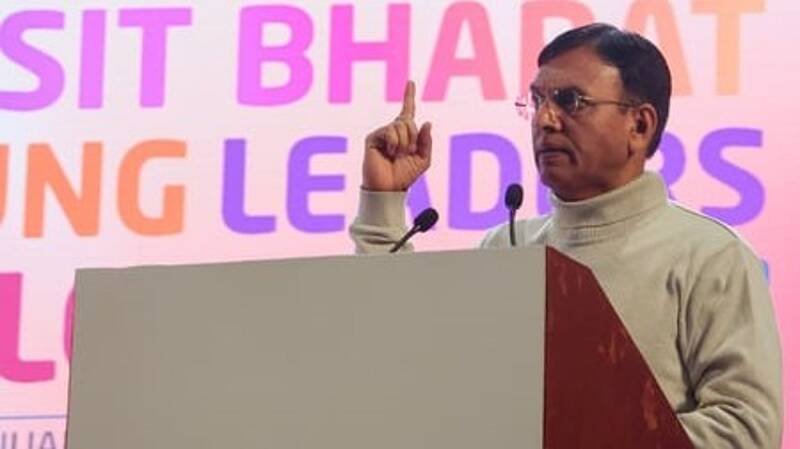
Get ready, racing fans! The Indian government, led by Sports Minister Mansukh Mandaviya, has officially announced that preparations are underway to bring Formula One (F1) racing back to India. This is huge news for Indian motorsports enthusiasts and could have a significant impact on the country's economy.
The Announcement
The announcement, while brief, confirms what many have hoped for: a return to the high-octane world of Formula One. While details are still scarce, the government’s commitment signals serious intent. The Sports Minister's statement emphasizes the government's role in facilitating the return, indicating potential investment and support for the event.
Why This News Matters
The return of Formula One to India is more than just a sporting event. It's a potential economic driver, a boost for tourism, and a source of national pride. Consider the following points:
- Economic Impact: F1 events generate substantial revenue through ticket sales, tourism, hospitality, and merchandising. The creation of temporary jobs during the event is also significant.
- Tourism Boost: Attracting international fans and teams puts India on the global map as a sporting destination, encouraging tourism and showcasing the country's infrastructure.
- Sports Development: The exposure to world-class racing can inspire young Indian talent to pursue motorsports, potentially leading to the development of local racing teams and drivers.
- National Pride: Hosting a prestigious international event like F1 brings a sense of national pride and accomplishment.
Our Analysis
The original Indian Grand Prix, held at the Buddh International Circuit from 2011 to 2013, was a promising start. However, issues related to taxation, bureaucratic hurdles, and financial challenges ultimately led to its discontinuation. This time around, the government appears to be taking a more proactive approach to ensure the event's success and longevity. It's crucial that the government addresses previous shortcomings to avoid a repeat of the past.
In our opinion, a long-term commitment to motorsports infrastructure and sustainable event management is essential. This includes not only the racing track but also hotels, transportation, and other support systems.
Challenges Ahead
Bringing Formula One back to India will not be without its challenges. These include:
- Financial Investment: Hosting an F1 race requires significant investment in infrastructure and logistics. Securing funding and ensuring a sustainable financial model is crucial.
- Logistical Complexity: Organizing an event of this scale involves complex logistics, including transportation, security, and accommodation for teams, fans, and officials.
- Competition from Other Countries: India will be competing with other countries vying to host F1 races. A compelling proposal and a strong commitment are essential to secure a spot on the F1 calendar.
- Regulatory hurdles: The organizers must have a seamless and efficient approval process in order for the event to succeed.
Future Outlook
The future of Formula One in India looks promising, but much depends on the government's commitment and the success of the initial event. If the preparations are well-executed and the event is a success, it could pave the way for a long-term partnership between Formula One and India.
This could impact India's image as a rising sporting nation. The success of the Indian Grand Prix could attract other major sporting events to the country, further boosting tourism and the economy. Furthermore, a thriving motorsports scene in India could inspire a new generation of Indian racers to compete on the world stage.
Ultimately, the return of Formula One to India is a positive development with the potential to bring significant benefits to the country. However, success will depend on careful planning, strong government support, and a long-term commitment to motorsports development.