Fighting Misinformation in Women's Health: B.C. Roundtable
A B.C. roundtable highlights the urgent need to address misinformation surrounding women's health, emphasizing its damaging effects.
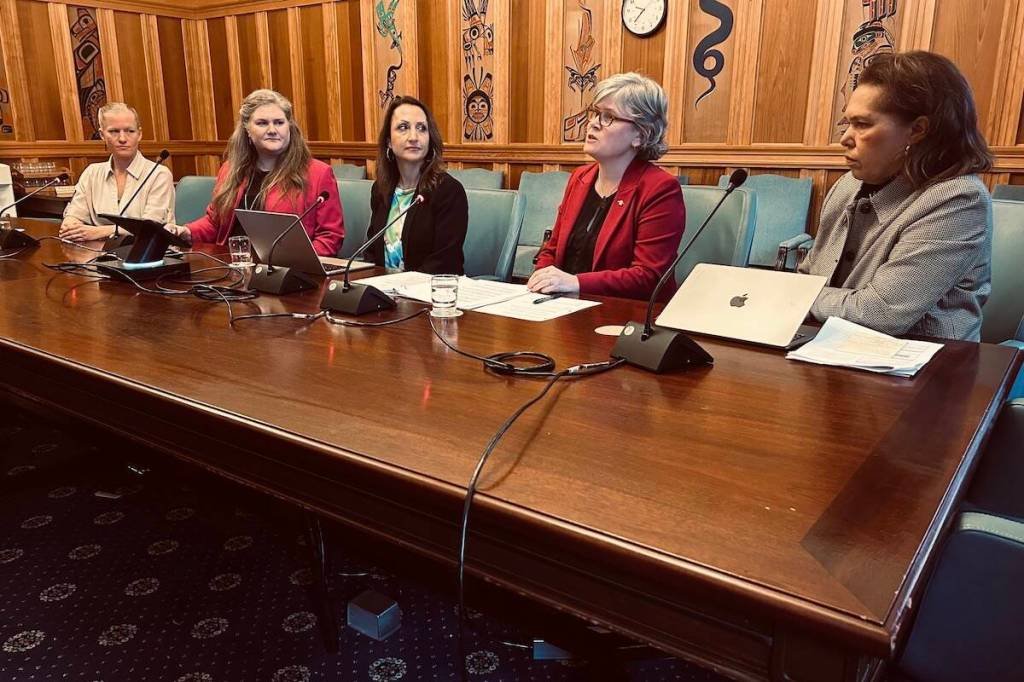



A B.C. roundtable highlights the urgent need to address misinformation surrounding women's health, emphasizing its damaging effects.
A recent roundtable discussion in British Columbia (B.C.) focused on a pressing issue: the spread of misinformation regarding women's health. The participants emphasized the necessity of combating this problem to ensure women have access to accurate and reliable health information.
Misinformation, in the context of healthcare, refers to false or inaccurate information that is presented as fact. In women's health, this can range from misleading advice about menstrual health to dangerous claims about treatments for menopause or other gynecological conditions. The spread of such falsehoods can have serious consequences for women's health and well-being.
One of the key points made during the roundtable was that misinformation can directly harm women. When women rely on inaccurate information, they may delay seeking proper medical care, make poor health decisions, or even be subjected to harmful treatments. It’s important to understand that this form of misinformation can appear credible and influence vulnerable individuals.
Dr. Jen Gunter, a gynecologist and author, powerfully stated that "misinformation is misogyny." This assertion highlights the connection between the spread of false information about women's health and broader issues of gender inequality. Misogyny, the dislike of or prejudice against women, often manifests in ways that undermine women's autonomy and control over their own bodies and health decisions. Therefore, the panel emphasized that the presence of inaccurate information is often rooted in societal biases that disadvantage women.
Combating misinformation is crucial for several reasons:
The roundtable in B.C. signifies an important step in addressing the issue of misinformation in women's health. By bringing together experts and stakeholders, it creates a platform for discussion and collaboration. The next steps will likely involve developing strategies to identify and debunk false information, promoting health literacy, and empowering women to access reliable resources.
The ultimate goal is to ensure that all women in B.C. and beyond have access to the accurate and trustworthy information they need to make informed decisions about their health and well-being. By understanding and fighting the spread of misinformation, especially that rooted in misogyny, is a core aspect of promoting women's rights and ensuring their overall health and security.