FDA Slows Down Nicotine Pouch Approvals: What It Means for You
The FDA is taking its time approving new nicotine pouches, citing concerns about youth usage. Learn why this matters and what the future holds for nicotine alternatives.



The FDA is taking its time approving new nicotine pouches, citing concerns about youth usage. Learn why this matters and what the future holds for nicotine alternatives.
The U.S. Food and Drug Administration (FDA) is pumping the brakes on its accelerated approval process for new nicotine pouches. This pause stems from mounting concerns about the potential for increased nicotine addiction among young people and those who haven't previously used tobacco products.
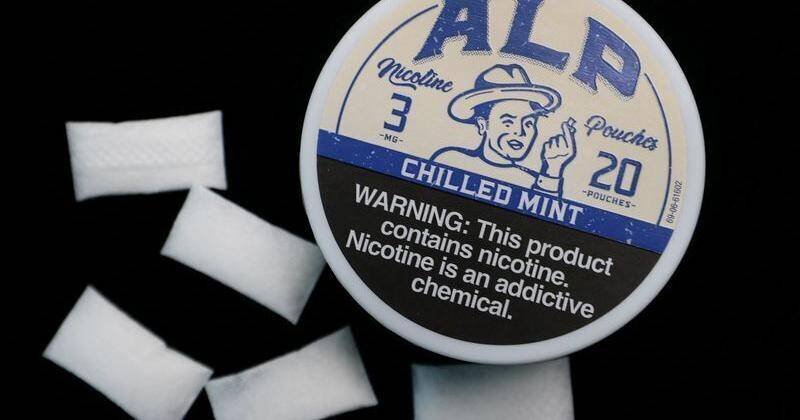
Nicotine pouches are small, pre-portioned pouches containing nicotine, but without any tobacco leaf. They're placed between the gum and cheek, allowing nicotine to be absorbed into the bloodstream. They are marketed as a potentially less harmful alternative to traditional cigarettes and smokeless tobacco.
The FDA faces a tricky challenge. On one hand, they want to encourage smokers to switch to less harmful nicotine products – a concept known as tobacco harm reduction. On the other hand, they need to prevent a new generation from becoming addicted to nicotine. This means carefully evaluating each product application to determine if it truly helps smokers quit without creating a new public health problem.
This slowdown in approvals has significant implications for several groups:
In our opinion, the FDA's caution is understandable given the rise of youth vaping in recent years. The agency needs to ensure that these products are not simply creating a new wave of nicotine addiction among young people. The delicate balance lies in allowing access to alternatives for adult smokers while preventing products that specifically target youth. The approval process must be thorough and transparent.
It's also crucial to consider the potential benefits of nicotine pouches as harm reduction tools. Many smokers struggle to quit using traditional methods. Providing them with a less harmful alternative, under appropriate regulation, could save lives. This could impact long-term rates of smoking-related disease.
The future of nicotine pouches in the U.S. market is uncertain. Here's what we can expect:
Ultimately, the success of nicotine pouches as a harm reduction strategy depends on responsible regulation and clear communication about the risks and benefits of these products. The FDA must find a way to strike a balance that protects public health without hindering innovation in the development of less harmful nicotine alternatives. This could impact how the market evolves.