Fall 2026 Fashion Trends: What to Expect and Why It Matters
Discover the top 10 fashion trends predicted to dominate Fall 2026, plus expert analysis on what they mean for the industry and consumers. Get ready for the future of fashion!
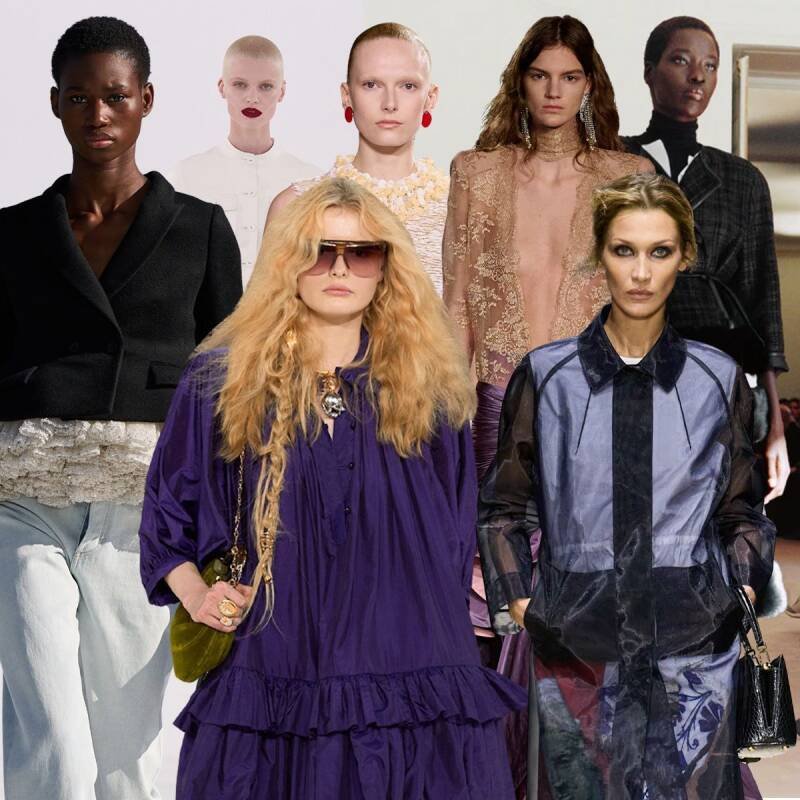



Discover the top 10 fashion trends predicted to dominate Fall 2026, plus expert analysis on what they mean for the industry and consumers. Get ready for the future of fashion!
The fashion world never stands still. Designers are already crafting visions for Fall 2026, and emerging trends offer a fascinating glimpse into what we'll be wearing in just a few short years. Let's explore the top 10 trends that are poised to define the season, providing context and analysis to understand their significance.
Expect AI to play a huge role in fashion. We'll see AI tailoring clothes to individual measurements, preferences, and even body types. This goes beyond custom sizing – imagine AI suggesting styles based on your existing wardrobe and social media activity! This will make fashion more inclusive and efficient.
Sustainability is no longer a niche; it's becoming the norm. In Fall 2026, expect to see even more innovative and high-performance sustainable materials, from lab-grown fabrics to recycled ocean plastics used in luxury garments. Designers will prioritize circularity and ethical production.
The emphasis on comfort, born during the pandemic, will continue to influence design. Think elevated loungewear, soft textures, and relaxed silhouettes. Expect luxurious knitwear, flowing dresses, and oversized outerwear that prioritizes ease of movement.
Clothing with built-in technology will become more prevalent. This includes garments with integrated sensors that monitor health, temperature-regulating fabrics, and even clothes that change color with a tap. The integration of fashion and technology will blurring the lines.
Say goodbye to muted tones – Fall 2026 is embracing bold, expressive colors. Expect vibrant shades of orange, fuchsia, and electric blue to dominate runways and wardrobes. Color blocking and playful patterns will be key.
The blurring of gender lines in fashion will continue to accelerate. Expect to see more designers creating collections that are designed to be worn by anyone, regardless of gender identity. Silhouettes will be more androgynous, and traditional gendered clothing will become less relevant.
After years of minimalism, maximalism is making a comeback. Think elaborate embellishments, layered textures, and bold accessories. More is more in Fall 2026!
The metaverse and digital fashion will continue to gain traction. Expect to see more designers creating digital-only garments and accessories that can be worn in virtual environments. Virtual wardrobes will become increasingly common.
Similar to hyper-personalized clothing, we'll also see personalized prints and patterns emerge. This could involve printing custom designs onto fabrics or creating patterns based on individual data and preferences. Imagine wearing clothes with patterns generated from your DNA sequence!
While technology drives innovation, there's also a renewed appreciation for traditional craftsmanship. Expect to see designers incorporating artisanal techniques, such as hand-weaving, embroidery, and dyeing, into their collections. Heritage textiles and patterns will be reimagined in modern ways.
Understanding these emerging trends provides a crucial advantage for anyone involved in the fashion industry, from designers and retailers to marketers and consumers. It allows for proactive planning, informed decision-making, and a better understanding of the evolving consumer landscape. These shifts are not merely stylistic changes; they represent deeper societal and technological transformations.
In our opinion, the most significant trends are the emphasis on sustainability and hyper-personalization. These trends reflect a growing consumer awareness of environmental issues and a desire for more individualized products and experiences. The integration of technology is another major theme, but its success will depend on whether it can seamlessly enhance the wearer's experience without feeling intrusive. The comfort core trend, in our analysis, shows lasting evidence of the pandemic on personal style.
Looking ahead, we expect these trends to continue to evolve and shape the fashion industry for years to come. The push for sustainability will only intensify as consumers demand more eco-friendly products. Technology will play an increasingly important role, enabling new levels of personalization and innovation. This could impact traditional manufacturing methods and retail models, leading to a more decentralized and customized fashion ecosystem. We believe the brands that embrace these changes will be the ones that thrive in the future.
























