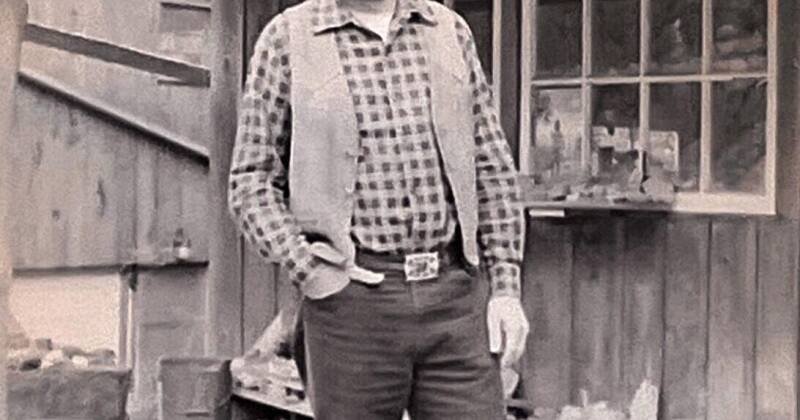
Edward Abbey: Finding Home in the Southwest - Legacy of an Environmental Crusader
Discover how environmental activist and author Edward Abbey found his true home in the American Southwest, exploring his legacy and impact on conservation.
Edward Abbey: The Environmentalist Who Found Home in the Desert
Edward Abbey, a name synonymous with environmental activism and a fierce love for the American Southwest, might have been born and raised in the small Indiana County community of Home, Pennsylvania. However, his heart, soul, and writing were irrevocably intertwined with the vast landscapes and rugged beauty of the desert. This article explores how the Southwest became Abbey's spiritual home, shaping his life, work, and enduring legacy.
Early Life in Pennsylvania
Abbey's upbringing in Home, Pennsylvania, provided a stark contrast to the arid landscapes he would later embrace. But even in his youth, a connection to nature was apparent, fostering a sense of appreciation for the natural world. Little did anyone know, this connection would blossom into an impassioned defense of the wilderness.
Discovering the Southwest
Abbey's first encounter with the Southwest was transformative. The stark beauty of the desert, the vast open spaces, and the unique flora and fauna resonated deeply within him. This newfound love fueled his writing and his activism. It wasn't just a place to visit; it was a place to defend.
Desert Solitaire and Beyond
His seminal work, Desert Solitaire, published in 1968, catapulted Abbey to fame and solidified his reputation as a leading voice in environmentalism. The book, a collection of essays reflecting on his time as a park ranger in Arches National Park, captured the raw beauty and vulnerability of the desert ecosystem. His subsequent works continued to champion the preservation of wilderness and critique the destructive forces of industrialization and development.
A Crusader for Conservation
Abbey didn't just write about environmental issues; he actively fought for them. His passionate advocacy, sometimes bordering on the controversial, inspired a generation of environmental activists. He challenged the status quo, questioning the relentless pursuit of economic growth at the expense of the natural world.
Why This News Matters
Edward Abbey's story matters because it highlights the power of place in shaping identity and purpose. His transformation from a young man in Pennsylvania to a dedicated defender of the Southwest demonstrates how deeply connected we can become to specific landscapes. His legacy reminds us of the importance of protecting our natural heritage for future generations. His work continues to inspire individuals to take action against environmental degradation.
Our Analysis
In our opinion, Abbey's work remains relevant because the threats he warned against - unchecked development, pollution, and resource depletion - are even more pressing today. While some criticized his methods, his unwavering commitment to conservation serves as a powerful example. His writing is not just entertaining but also serves as a wake-up call to examine our relationship with the natural world. He was, and still is, a voice for the voiceless landscapes that cannot defend themselves. His work continues to challenge conventional narratives and encourage critical thinking about environmental issues.
Future Outlook
The future of Abbey's legacy hinges on our ability to learn from his message. Will we heed his warnings and prioritize conservation over short-term economic gains? Will we continue to find inspiration in his writing and his actions? We believe his work will continue to resonate with new generations of environmentalists, writers, and activists. This could impact future environmental policies and individual actions, leading to a greater emphasis on sustainable practices and wilderness preservation.
Challenges and Opportunities
* **Continuing Abbey's Legacy:** The challenge lies in translating Abbey's passion into practical solutions for today's environmental problems.
* **Inspiring Future Generations:** The opportunity is to use his work to inspire a new generation of environmental stewards.
* **Balancing Development and Conservation:** Finding a balance between economic development and environmental protection remains a critical challenge.
Conclusion
Edward Abbey's journey from Pennsylvania to the heart of the American Southwest is a testament to the power of place and the importance of environmental stewardship. His legacy continues to inspire us to protect the wild places that give our planet beauty, meaning, and life. He found his home in the desert, and in doing so, he gave the desert a voice that still echoes today.