Edmonton Event Bridges Indigenous and Muslim Communities Through Fasting
An Edmonton panel discussion explored the shared traditions of fasting between Indigenous and Muslim communities, fostering understanding and community.
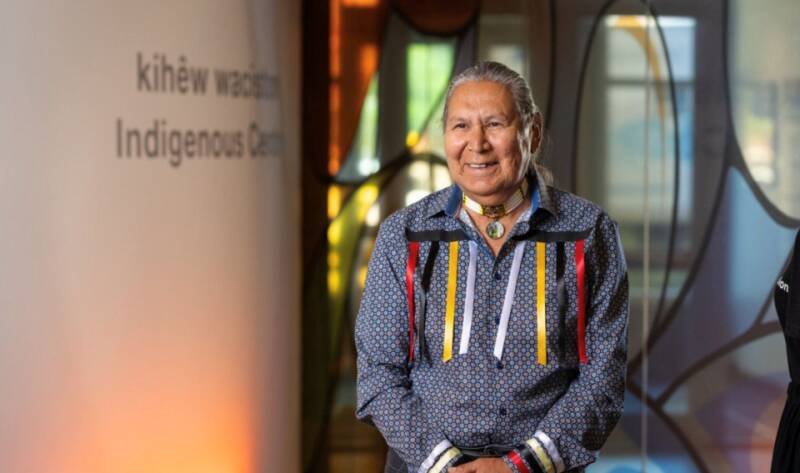



An Edmonton panel discussion explored the shared traditions of fasting between Indigenous and Muslim communities, fostering understanding and community.
In Edmonton, a recent panel discussion at MacEwan University brought together members of Indigenous and Muslim communities to explore their shared traditions surrounding fasting. The event focused on the spiritual significance, discipline, and cultural perspectives related to fasting practices in both cultures. The gathering aimed to foster understanding and build bridges between the two communities through open dialogue.
The panel delved into the core principles of fasting, highlighting similarities in the emphasis on spiritual reflection, self-discipline, and community solidarity. Speakers from both communities shared personal experiences and insights into their respective fasting traditions. For the Muslim community, the discussion centered around Ramadan, the holy month of fasting. Indigenous participants shared insights into their fasting traditions practiced for healing, spiritual growth, and connection to the land.
The event provided a platform for participants to learn about the nuances of each other's traditions. For instance, the panel discussed the importance of intention and purpose in fasting, whether it's for religious observance or personal healing.
This event is significant because it highlights the power of interfaith and intercultural dialogue in fostering understanding and breaking down barriers. In a diverse city like Edmonton, initiatives like these are crucial for promoting social cohesion and building stronger communities. By recognizing shared values and traditions, such events contribute to a more inclusive and respectful society.
Furthermore, this event directly relates to ongoing reconciliation efforts. By creating spaces for Indigenous voices to be heard and respected, it helps to address historical injustices and build meaningful relationships between Indigenous and non-Indigenous communities.
In our opinion, this event represents a positive step towards bridging cultural divides. The focus on shared traditions, like fasting, is a clever way to find common ground and build empathy. It moves beyond superficial differences and delves into the core values that unite people.
The initiative also demonstrates the importance of community-led dialogues. By giving a platform to members of both Indigenous and Muslim communities, the event ensured that the discussions were authentic and relevant. This is a far more effective approach than top-down initiatives that often fail to resonate with the communities they are intended to serve.
This could impact future relations by fostering a climate of understanding and respect between these communities. If successful, the model of this panel could be replicated in other areas, such as healthcare or education, where cultural competency is vital.
We anticipate that similar events will continue to emerge in Edmonton and other diverse cities, driven by a growing recognition of the importance of interfaith and intercultural dialogue. The success of this particular event could inspire other organizations and institutions to create similar platforms for community engagement.
Moving forward, it will be crucial to ensure that these dialogues are inclusive and representative of the diverse voices within each community. This includes engaging with youth, elders, and other marginalized groups to ensure that their perspectives are heard and valued.
Ultimately, the success of these initiatives will depend on sustained commitment and genuine collaboration between all stakeholders. This event serves as a promising example of how dialogue and community engagement can build bridges and foster a more inclusive and harmonious society.