Downed US Airman Heroically Directed Strikes: Analysis and Future Implications
Learn how a downed US airman bravely directed airstrikes on Iranian positions from his hiding place. We analyze the situation, its impact, and future implications.



Learn how a downed US airman bravely directed airstrikes on Iranian positions from his hiding place. We analyze the situation, its impact, and future implications.
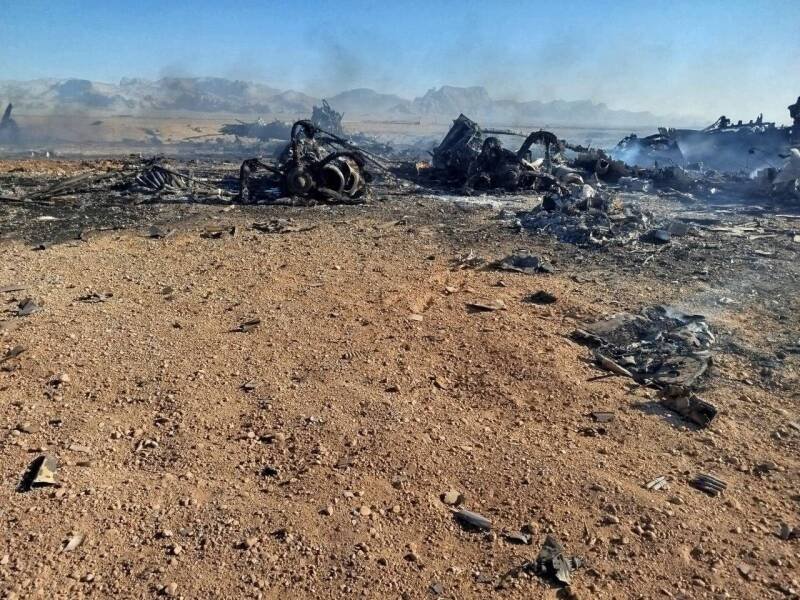
A downed US airman is reported to have played a pivotal role in directing airstrikes against Iranian positions, all while in hiding. This extraordinary account highlights the airman's courage and resourcefulness under extreme pressure. The story, initially reported by The Times of Israel, details a harrowing ordeal involving a rescue operation that faced significant challenges.
According to the initial reports, the airman went down in a contested area. Instead of being immediately captured, he managed to evade enemy forces and establish a concealed position. From this location, he reportedly utilized communication equipment to guide US forces in targeting Iranian positions. This act of bravery and strategic thinking potentially altered the outcome of the situation.
The rescue operation itself was fraught with difficulties. One official described a near-disaster moment when the wheels of a rescue plane became stuck. This "holy shit" moment underscores the high-stakes nature of the mission and the risks involved in retrieving the downed airman. The initial silence from then-President Trump raised concerns, leading a reporter to even check local hospitals for updates.
It took approximately 14 hours before contact was finally made with the downed airman, according to reports. This prolonged period of uncertainty speaks to the complexity and the dangerous nature of the situation on the ground.
This event has several crucial implications:
In our opinion, the airman's actions were nothing short of heroic. To maintain composure and effectively direct airstrikes while evading capture demonstrates exceptional training and character. This incident likely boosted morale within the US military and served as a reminder of the importance of robust communication and support systems for deployed personnel.
The delayed official response and the initial silence are concerning. Quick and transparent communication is essential in such situations to maintain public trust and manage potential misinformation. The initial silence from the president may have contributed to increased anxiety and speculation.
This event could impact future military strategy in the region. The successful use of remote targeting from a compromised position may lead to further investment in technologies and training that support such capabilities. It may also prompt a reassessment of rescue protocols and communication strategies to ensure faster and more reliable responses in similar scenarios.
Looking ahead, maintaining a strong deterrent presence in the Middle East is crucial to preventing future conflicts and protecting US interests. This includes continued investment in advanced military technology, effective intelligence gathering, and strong diplomatic efforts to de-escalate tensions. In our opinion, fostering regional stability requires a multifaceted approach that combines military strength with diplomatic engagement.
The details surrounding the airman's rescue remain limited, and further information is needed to fully understand the extent of the operation and its long-term consequences. As more information becomes available, we will continue to provide updates and analysis.
























