Dannebroge Warship Discovery: Unearthing History After 225 Years
Divers discover the wreck of the Danish warship Dannebroge, sunk by Nelson's fleet in 1801, racing against time before it becomes a construction site. Learn why this matters and future outlook.
Danish Warship Sunk by Nelson's Fleet Discovered After 225 Years
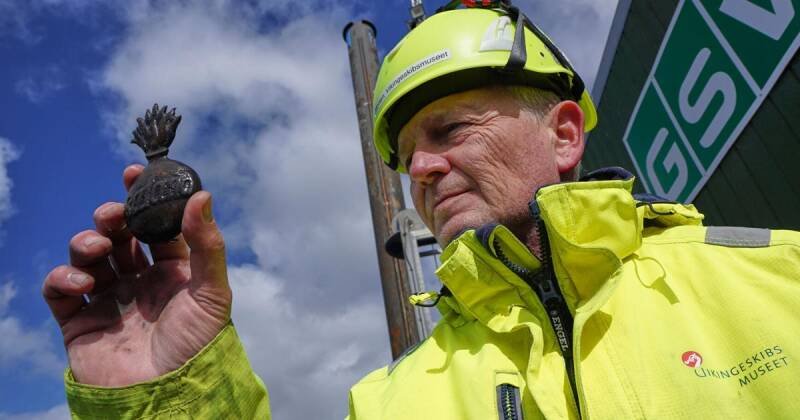
The wreck of the Danish warship Dannebroge, famously sunk during the Battle of Copenhagen in 1801 by Admiral Nelson's British fleet, has been discovered after 225 years. This exciting find offers a unique glimpse into a pivotal moment in naval history.
A Race Against Time
The discovery was made in the challenging conditions of the Baltic Sea, with divers working in thick sediment and near-zero visibility. Adding to the urgency, the site is located in an area slated for construction, creating a race against time to unearth and document the wreck before it's potentially disturbed or destroyed.
The Battle of Copenhagen: A Historical Turning Point
The Battle of Copenhagen was a significant naval engagement during the Napoleonic Wars. The British, under Admiral Horatio Nelson, sought to neutralize the Danish fleet to prevent it from falling into the hands of Napoleon's France. The battle was fierce, resulting in heavy casualties on both sides and the sinking of several Danish ships, including the Dannebroge. Nelson’s victory significantly weakened Denmark-Norway and helped secure British naval dominance.
Why This News Matters
The discovery of the Dannebroge is significant for several reasons:
- Historical Significance: It provides a tangible link to a major naval battle and a crucial period in European history. The wreck offers a unique opportunity to study 19th-century naval warfare and shipbuilding techniques.
- Cultural Heritage: The Dannebroge represents an important part of Denmark's maritime heritage. Studying the wreck allows us to learn more about the lives of the sailors who served on board and the technology they used.
- Archaeological Value: The wreck site is a potential treasure trove of artifacts, offering valuable insights into the material culture of the time. These artifacts can tell us about daily life onboard the ship, naval strategy, and the technology of the era.
- Urgent Preservation: The impending construction underscores the importance of preserving our underwater cultural heritage. It highlights the challenges of balancing development with the protection of historical sites.
Our Analysis
In our opinion, the discovery of the Dannebroge is a truly remarkable find. The fact that it was found in such challenging conditions and under the pressure of a looming construction project underscores the dedication and skill of the divers and archaeologists involved. The potential for uncovering artifacts and gaining new insights into this pivotal moment in history is immense.
The race against time adds a layer of drama to the situation. It's crucial that sufficient resources are allocated to properly excavate and document the wreck before any construction work begins. This could impact Denmark's understanding of its own naval history and its relationship with Great Britain at the time.
Future Outlook
The immediate future will likely involve intensive underwater archaeological work. Divers will need to carefully excavate the wreck, document its structure, and recover any artifacts. These artifacts will then need to be analyzed and preserved by experts.
Here's what we can expect:
- Detailed Mapping and Documentation: Creating a comprehensive map of the wreck site will be crucial for understanding its layout and context.
- Artifact Recovery and Analysis: Recovered artifacts will be carefully documented, analyzed, and preserved. This process could reveal fascinating details about the ship's crew, equipment, and daily life.
- Public Engagement: We anticipate that the findings will be shared with the public through museum exhibitions, documentaries, and online resources, fostering greater awareness of maritime history and archaeology.
- Potential for Future Discoveries: This discovery could spur further exploration of the Baltic Sea, potentially leading to the discovery of other historically significant shipwrecks.
Ultimately, the story of the Dannebroge is a reminder of the rich and often hidden history that lies beneath the waves. It highlights the importance of protecting our underwater cultural heritage and the valuable insights that can be gained from studying it.