Congress Protests Wheat Procurement Delays in Madhya Pradesh: A Breakdown
Congress leaders protest wheat procurement delays in Madhya Pradesh. We break down the issue, analyze the impact, and discuss the future outlook for farmers.



Congress leaders protest wheat procurement delays in Madhya Pradesh. We break down the issue, analyze the impact, and discuss the future outlook for farmers.
The Indian National Congress party recently held widespread protests across Madhya Pradesh, focusing on what they describe as unacceptable delays in the government's wheat procurement process. These demonstrations took place at various Krishi Mandis (agricultural markets) throughout the state on Thursday.
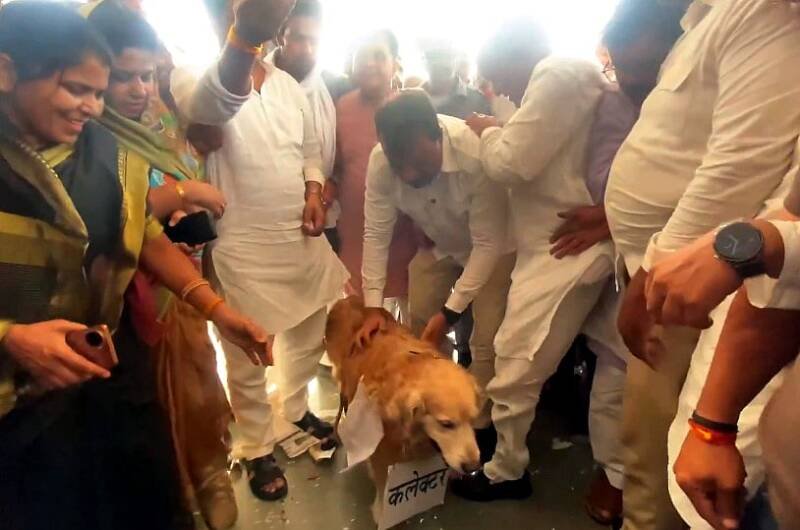
In a particularly striking incident in Sehore, Leader of Opposition Umang Singhar presented a memorandum of demands to a dog. This symbolic act was triggered by the absence of Collector Balaguru K, the district's top administrative official, who failed to appear to receive the memorandum directly. This gesture highlights the Congress's frustration with what they perceive as governmental indifference to the farmers' plight.
Beyond Sehore, significant protests were also reported in Bhopal, Sagar, and Satna. Congress leaders at these locations emphasized the distress faced by farmers due to the delays and criticized what they characterized as inadequate arrangements at the wheat procurement centers. They claim that these issues are causing significant hardship and financial strain on the agricultural community.
This protest highlights a critical issue in Indian agriculture: the timely and efficient procurement of crops from farmers. Delays in procurement can have devastating consequences. Farmers may be forced to sell their produce at lower prices to private traders, leading to significant financial losses. This can exacerbate existing rural distress and potentially contribute to farmer suicides, a tragic reality in many parts of India.
Efficient procurement also plays a vital role in ensuring food security for the nation. If farmers are discouraged from producing wheat due to procurement problems, it could impact the overall availability of food grains. Therefore, this isn't just about the immediate well-being of farmers in Madhya Pradesh; it has broader implications for the national economy and food supply.
In our opinion, the Congress's protest, while partly politically motivated, does shine a light on a legitimate problem. Wheat procurement is a complex process involving multiple stakeholders, from government agencies to local administrators. Bottlenecks can occur at any stage, leading to delays. Factors such as inadequate storage facilities, bureaucratic inefficiencies, and logistical challenges can all contribute to the issue.
The symbolic act of handing a memorandum to a dog, while perhaps controversial, served to amplify the message and draw attention to the perceived indifference of the administration. This kind of dramatic protest is often used to capture public attention and exert pressure on authorities to take action.
This situation demands immediate attention from the Madhya Pradesh state government. Resolving the wheat procurement delays is crucial to alleviating farmer distress and preventing further economic losses. This could impact the upcoming elections if not resolved swiftly.
Several steps could be taken to improve the procurement process:
Looking ahead, it's also important to consider long-term solutions such as promoting crop diversification and investing in agricultural research and development. This will help to make the agricultural sector more resilient and sustainable in the face of challenges like climate change and market fluctuations. In our opinion, a holistic approach that addresses both immediate concerns and long-term sustainability is needed to secure the future of agriculture in Madhya Pradesh.
























