Combating Women's Health Misinformation in British Columbia
A recent roundtable in British Columbia highlighted the urgent need to combat misinformation surrounding women's health, emphasizing its harmful impact.
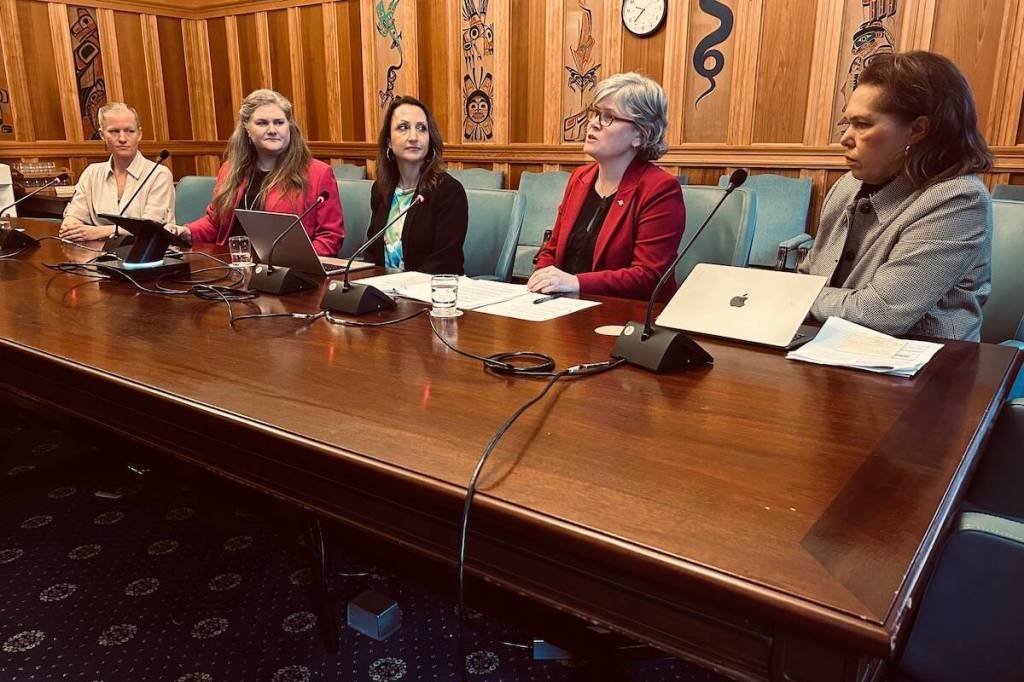



A recent roundtable in British Columbia highlighted the urgent need to combat misinformation surrounding women's health, emphasizing its harmful impact.
A recent roundtable discussion in British Columbia focused on the growing problem of misinformation related to women's health. Experts emphasized the need for better public health education and strategies to counter harmful false narratives.
Misinformation in healthcare can have serious consequences, especially for women. False claims and unsubstantiated advice can lead to delayed or inappropriate medical care, potentially jeopardizing women's well-being. This is especially true for vulnerable groups and communities that already face barriers to adequate healthcare.
The roundtable highlighted that the spread of misinformation can create confusion and distrust in legitimate medical sources, further complicating efforts to promote accurate health information. When individuals are bombarded with conflicting information, it becomes harder to make informed decisions about their health.
Dr. Jen Gunter, a gynecologist and author, powerfully stated that "misinformation is misogyny." This perspective underscores the idea that inaccurate information about women's bodies and health is not just a neutral error, but often reflects and reinforces societal biases against women.
Dr. Gunter's statement suggests that misinformation, in many cases, is rooted in a lack of understanding and respect for women's health concerns. It can perpetuate harmful stereotypes and contribute to a culture where women's health issues are dismissed or minimized.
The roundtable participants discussed the importance of developing specific strategies to combat misinformation. These strategies could include:
The discussion in British Columbia signals a growing awareness of the dangers of misinformation surrounding women's health. By recognizing the problem and working together, healthcare professionals, policymakers, and community members can take meaningful steps to protect the health and well-being of women in B.C.
This initial conversation provides an important springboard for future action and ongoing dialogue to combat the harms of health-related misinformation.