Combating Misinformation in Women's Health: B.C. Roundtable Highlights Urgent Need
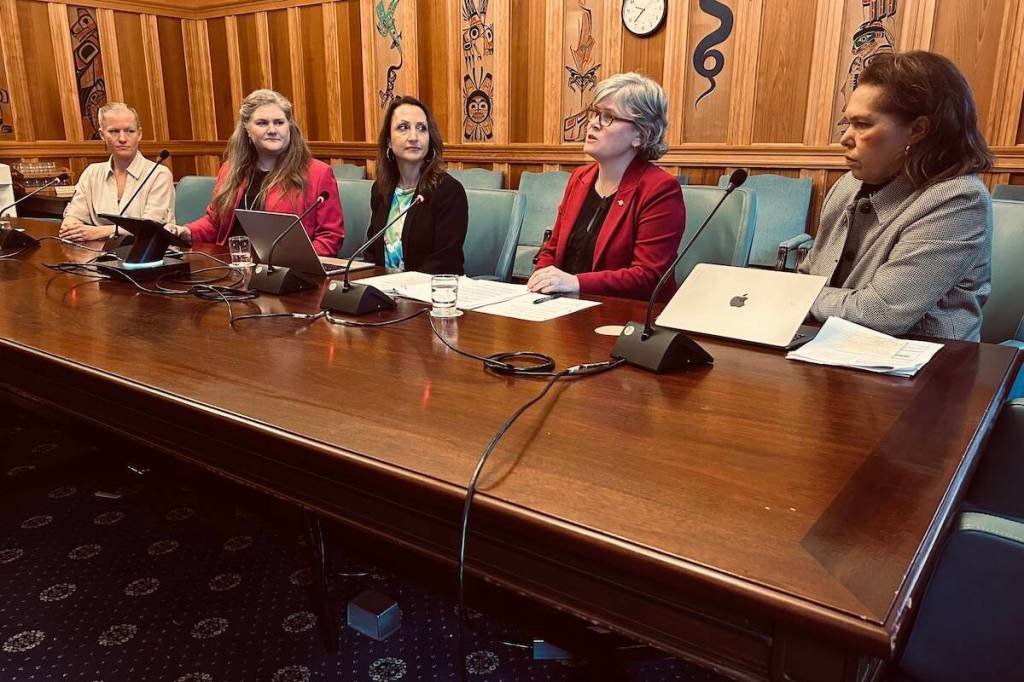
A recent women's health roundtable in British Columbia addressed the pressing issue of misinformation, emphasizing its negative impact on women's health and well-being.
Combating Misinformation in Women's Health: B.C. Roundtable Highlights Urgent Need
A recent roundtable discussion in British Columbia focused on the critical issue of misinformation surrounding women's health. Participants emphasized the need to actively combat the spread of false or misleading information, which can have serious consequences for women's health decisions and overall well-being.
The Dangers of Misinformation
Misinformation in healthcare refers to inaccurate or false information that is presented as factual and can influence people's health choices. In the context of women's health, this can include false claims about treatments, preventative measures, or reproductive health issues. The roundtable participants acknowledged that this misinformation often spreads rapidly through social media and other online platforms, making it difficult to contain.
Dr. Jen Gunter's Perspective
Dr. Jen Gunter, a gynecologist and author, participated in the roundtable and highlighted a particularly strong viewpoint. She stated, "Misinformation is misogyny," emphasizing the idea that spreading false information about women's bodies and health can be seen as a form of disrespect and oppression. This statement emphasizes the profound impact that misinformation can have, extending beyond simple factual inaccuracies to contributing to broader societal issues of gender inequality.
Impact on Women's Health
The roundtable participants discussed the various ways in which misinformation negatively impacts women's health. When women rely on false or misleading information, they may make choices that are detrimental to their health, such as:
- Delaying or avoiding necessary medical care.
- Using unproven or harmful treatments.
- Making ill-informed decisions about contraception or reproductive health.
- Experiencing unnecessary anxiety and stress related to their health.
Addressing the Challenge
The roundtable served as a platform to discuss strategies for combating misinformation in women's health. Participants likely explored potential solutions such as:
- Promoting health literacy and critical thinking skills among the public.
- Improving the accuracy and accessibility of online health information.
- Training healthcare professionals to effectively address patient concerns and dispel misinformation.
- Collaborating with social media platforms to identify and remove false or misleading content.
- Raising awareness about the potential harms of misinformation through public health campaigns.
The Importance of Reliable Information
The discussion in British Columbia underscores the vital role of accurate and reliable information in women's health. By working together to combat misinformation, healthcare professionals, policymakers, and community members can help ensure that women have the knowledge they need to make informed decisions about their health and well-being.