College Football Transfer Portal Opens: What It Means for 2024 and Beyond
The college football transfer portal is open! Learn what this means for teams, players, and the future of college football. We analyze the impact and potential outcomes.



The college football transfer portal is open! Learn what this means for teams, players, and the future of college football. We analyze the impact and potential outcomes.
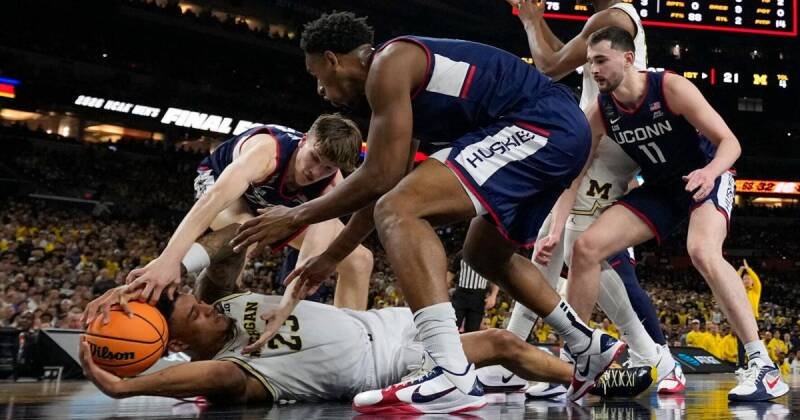
Just days after the Michigan Wolverines celebrated their national championship victory, a new era of college football commenced: the spring transfer portal window officially opened. This period, a designated time when college football players can enter their names into a database signifying their intent to transfer to another school, is creating significant ripples across the sport.
Within the first 12 hours of the portal opening, over 1,200 players reportedly entered their names, and experts predict that hundreds more will follow suit before the portal closes on April 21st. This mass exodus (and influx) highlights the ever-changing landscape of college football recruiting and roster management.
The transfer portal is an online database used by college athletes to notify their current institution that they wish to transfer to another school. Once a player's name is in the portal, other schools can then contact and recruit the athlete. The portal was designed to streamline the transfer process and offer more transparency to both players and institutions.
Prior to the creation of the transfer portal, players had to request a release from their current school, which could be a lengthy and often contentious process. Now, the portal provides a more direct and efficient way for players to explore their options.
The opening of the transfer portal is not just another date on the college football calendar. It represents a critical period for teams to address roster needs, fill gaps left by graduating players, and potentially add game-changing talent. For players, it's an opportunity to find a better fit, pursue more playing time, or seek a program that better aligns with their athletic and academic goals. This continuous movement impacts competitive balance and forces programs to constantly adapt and recruit.
For smaller programs, the transfer portal can be a way to add experienced players to their roster quickly. Powerhouse programs can use it to fine-tune their rosters with players who haven’t reached their potential. This creates opportunity for everyone.
The sheer volume of players entering the transfer portal highlights the increasing freedom and agency that college athletes now possess. Factors contributing to this trend include the Name, Image, and Likeness (NIL) opportunities available to athletes, the ease with which players can transfer (especially with the one-time transfer rule), and the desire for immediate playing time.
In our opinion, the current system, while offering players more freedom, also creates challenges for team cohesion and stability. Constant roster turnover can make it difficult to build a long-term program, and coaches must now dedicate significant time and resources to managing the portal and recruiting players who are not only talented but also a good fit for the team culture.
The article also references the "scramble for 2027," suggesting that while programs are focused on immediate roster needs through the portal, they are also actively recruiting high school players for future seasons. This dual focus on both short-term and long-term recruiting is a constant balancing act for college football coaches.
This could impact the traditional recruiting process as well. High school players might be more inclined to commit to programs that have a history of developing and retaining players, while also being aware of the potential to transfer if their situation doesn't work out.
The transfer portal is likely to remain a prominent feature of college football for the foreseeable future. We expect that the NCAA will continue to refine the rules and regulations surrounding the portal to address concerns about roster stability and competitive balance. It's also likely that NIL deals will continue to play a significant role in players' transfer decisions.
Moving forward, successful college football programs will be those that can effectively manage the transfer portal, build strong relationships with their players, and create a culture of development and retention. While Michigan celebrated, the future is uncertain and the transfer portal opening has made that future even more unpredictable.