Camosun College and Local Firm Tackle Water Waste: A Promising Partnership
Camosun College partners with a local company to develop a water-saving prototype. Learn how this initiative aims to reduce water waste and its implications for the future.
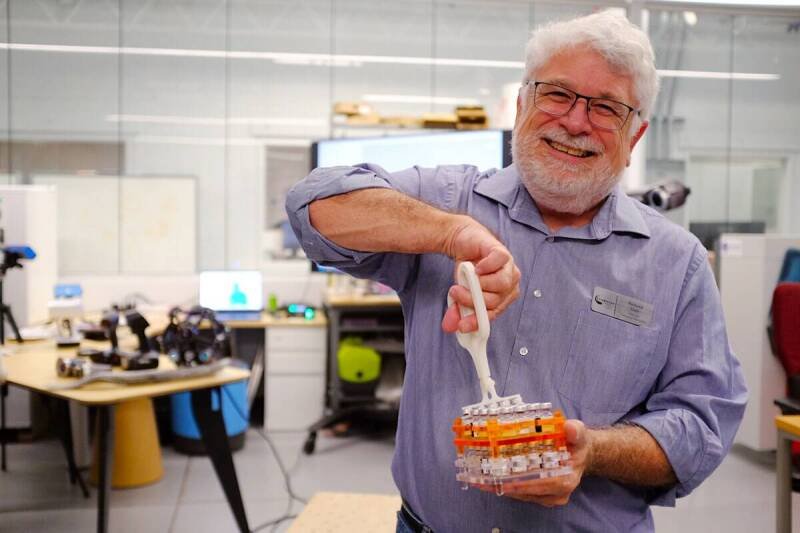



Camosun College partners with a local company to develop a water-saving prototype. Learn how this initiative aims to reduce water waste and its implications for the future.
In a move towards greater sustainability, Camosun College in Saanich, British Columbia, has joined forces with a local company to combat water waste. This partnership has resulted in the development of a prototype aimed at significantly reducing water consumption.
The primary objective of this collaboration is to create a practical solution for minimizing water waste. Water scarcity is becoming an increasingly pressing global issue, and initiatives like this are crucial for promoting responsible water usage.
A working prototype is already in operation. Early projections indicate that it is expected to reduce water usage by approximately 1,500 liters per month. This represents a significant saving and demonstrates the potential impact of innovative water management technologies. That is approximately 400 gallons of water per month.
This news is significant for several reasons:
The partnership between Camosun College and a local firm to reduce water waste is a commendable initiative. In our opinion, this type of collaboration is essential for driving meaningful change in environmental sustainability. The development of a prototype that can save 1,500 liters of water per month is a tangible example of how innovative solutions can address pressing environmental problems.
It's also important to consider the scalability of this project. If the prototype proves successful, it could be implemented in other buildings and facilities, potentially leading to even greater water savings. This could impact the way water is managed in commercial and residential properties.
The future outlook for this project is promising. Further development and refinement of the prototype could lead to even greater efficiency in water conservation. This may involve further testing, data collection and analyzing to better refine the model. It's likely that the team will be looking at ways to incorporate smart tech, for example using weather forecasts to adapt water usage dynamically.
We anticipate that this collaboration will serve as a model for other institutions and businesses looking to reduce their environmental footprint. If the prototype continues to be successful, it's possible that it could be commercialized and made available to a wider audience. The ongoing success of this initiative will depend on continued funding, research, and a commitment to sustainability.
It is likely the learnings from this pilot project will be shared with other colleges and firms in the region, to promote adoption and environmental awareness.
























