Cambodia Opposition Leader Kem Sokha Appeal Denied: What it Means
Cambodia's top court upholds conviction of opposition leader Kem Sokha. What does this mean for democracy in Cambodia and international relations? Our analysis and future outlook.
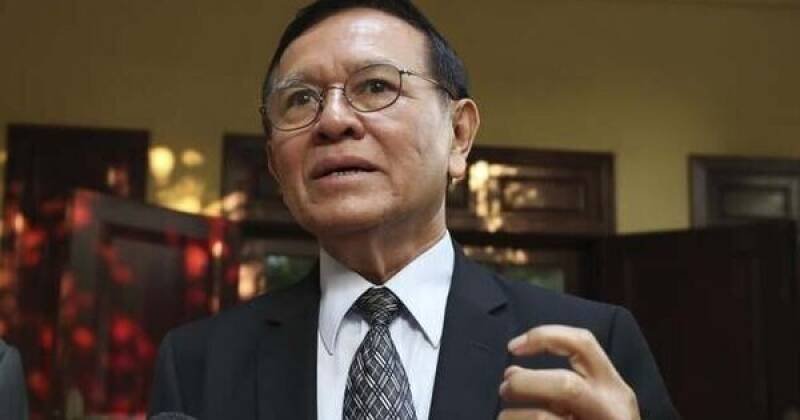



Cambodia's top court upholds conviction of opposition leader Kem Sokha. What does this mean for democracy in Cambodia and international relations? Our analysis and future outlook.
In a move that has raised concerns internationally, the Phnom Penh Court of Appeal on April 30, 2026, upheld the conviction of Cambodian opposition leader Kem Sokha. This decision effectively solidifies the power of the ruling Cambodian People's Party (CPP) and Prime Minister Hun Sen. Human Rights Watch has characterized the conviction as politically motivated.
The court's decision not only reaffirms Sokha's existing 27-year sentence, imposed in March 2023, but also extends his de-facto house arrest and adds a five-year ban on international travel. This restricts his ability to engage in political activities or seek international support.
Kem Sokha was initially arrested in 2017 and accused of treason, allegedly conspiring with foreign powers to overthrow the government. Critics, however, argue that these charges are baseless and designed to silence a prominent political opponent. The evidence presented against him has been widely disputed and deemed insufficient by international observers.
This decision has significant implications for the future of democracy and human rights in Cambodia. Kem Sokha's Cambodian National Rescue Party (CNRP) was a major challenge to the CPP's long-standing rule. With Sokha sidelined and the CNRP dissolved in 2017, the CPP has faced significantly less political opposition.
The denial of Sokha's appeal signals a continued crackdown on dissent and reinforces the CPP's dominance. This could further discourage political participation and limit the space for alternative voices in Cambodian society. It also strains Cambodia's relationship with western nations who are strong proponents of democracy.
In our opinion, the upholding of Kem Sokha's conviction is a setback for democracy in Cambodia. The charges against him appear to be politically motivated, aimed at silencing a credible opposition leader. The timing of this decision, just before the upcoming local elections, raises serious concerns about the fairness and transparency of the electoral process.
The international community, including the United States and the European Union, has repeatedly expressed concerns about the deterioration of democratic institutions in Cambodia. This latest development is likely to further damage Cambodia's reputation on the global stage. This could impact foreign investment and aid, which Cambodia relies on.
The court system in Cambodia is believed to be influenced by the ruling party. The decision to uphold the conviction suggests that the judiciary is not acting as an independent check on executive power. This erodes public trust in the justice system and undermines the rule of law.
The future of Cambodian politics remains uncertain. With the main opposition leader effectively silenced, the CPP is likely to maintain its grip on power in the short term. However, suppressing dissent and limiting political freedoms can lead to long-term instability.
This could impact Cambodia's relationship with key international partners. The United States and the European Union, for example, may consider further sanctions or restrictions on aid if Cambodia does not take steps to improve its human rights record. China's influence in Cambodia could also increase as Western ties weaken.
The people of Cambodia will be the ones impacted most. The future may require a new generation of leaders to champion democratic reform and fight for a more inclusive and just society. The seeds of change are always present, even in the most repressive environments.
























