Bhopal Constables Charged with Assaulting Shop Staff: What it Means
Two Bhopal constables are charged with assault after an argument with shop staff escalated. Learn why this incident sparked protests, what it means for police accountability, and what the future holds.
Two Bhopal Constables Charged With Assaulting Shop Staff: What it Means
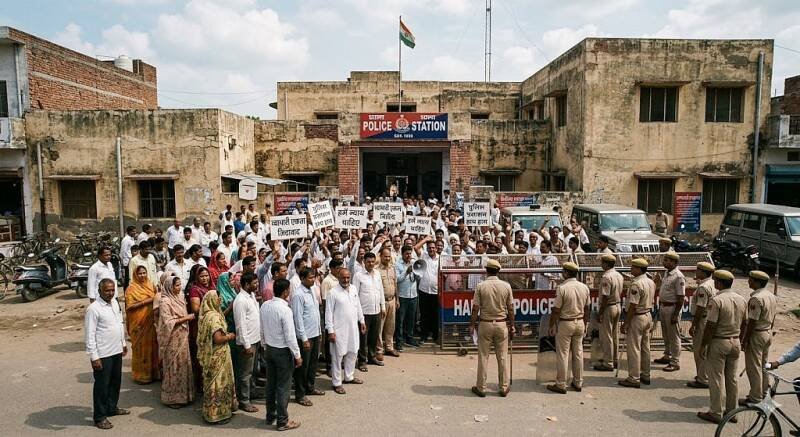
Two constables in Bhopal, India, have been charged with assault after an altercation with shop staff at a local business. The incident sparked a protest by local traders who surrounded the Ayodhya Nagar police station, demanding action. This is a developing story, but here's what we know.
What Happened?
According to initial reports, an argument broke out between the constables and the shop staff. The argument escalated, leading to the constables allegedly assaulting the staff before leaving the premises. The shop employees then contacted their owner, Ram Yadav. Upon hearing what happened, local traders mobilized and gathered at the Ayodhya Nagar police station to protest the alleged misconduct.
Senior police officials arrived on the scene to manage the situation and address the concerns of the protesting traders.
Why This News Matters
This incident highlights several crucial issues:
- Police Accountability: This case underscores the importance of holding law enforcement officers accountable for their actions. It raises questions about the standards of conduct expected of police personnel and the mechanisms in place to address misconduct.
- Community Relations: The protest by local traders shows the strong sense of community and their willingness to stand up against perceived injustice. Incidents like this can erode trust between the police and the public, potentially leading to further unrest.
- Rule of Law: The allegations, if proven true, represent a violation of the law by those entrusted to uphold it. This undermines the principle of equality before the law and the public's faith in the justice system.
Our Analysis
In our opinion, the immediate response of the local traders in organizing a protest speaks volumes about the community's frustration and their desire for justice. It also suggests a possible pre-existing tension between the local businesses and law enforcement in the area. The fact that senior police officials had to intervene underscores the seriousness of the situation and the potential for it to escalate further.
It's crucial that a thorough and impartial investigation is conducted to determine the facts of the case and ensure that appropriate action is taken. Transparency in the investigation process is paramount to restore public trust.
The incident serves as a reminder that police officers, despite their authority, are not above the law. They must be held to the same standards of conduct as any other citizen.
Future Outlook
The outcome of this case could significantly impact the relationship between the police and the community in Bhopal. Here are some potential scenarios:
- If the constables are found guilty: This could lead to increased accountability measures for law enforcement and a renewed focus on police training and community relations.
- If the constables are exonerated: This could further erode public trust in the police and potentially spark further protests or unrest. A clear explanation based on evidence would be crucial.
- Increased Scrutiny: This incident could lead to increased scrutiny of police conduct and a greater demand for transparency and accountability. We may see increased use of body cameras or civilian oversight boards.
- Policy Changes: The event might trigger policy changes related to police interactions with the public, emphasizing de-escalation techniques and conflict resolution.
This could impact similar situations in the future. The steps taken by the police department following this incident will set a precedent for how such cases are handled moving forward. The community will be watching closely to see if justice is served.
Ultimately, rebuilding trust between the police and the community requires open communication, mutual respect, and a commitment to upholding the law fairly and equitably. A transparent and just resolution to this case is a crucial first step.