BC Schools Expansion: Why New Schools are Critical for British Columbia's Future
Premier Eby highlights the urgent need for more schools in BC, particularly in fast-growing areas like West Kelowna. Learn why this matters, our analysis, and the future outlook.
BC's Urgent Need for New Schools: Premier Eby Visits West Kelowna
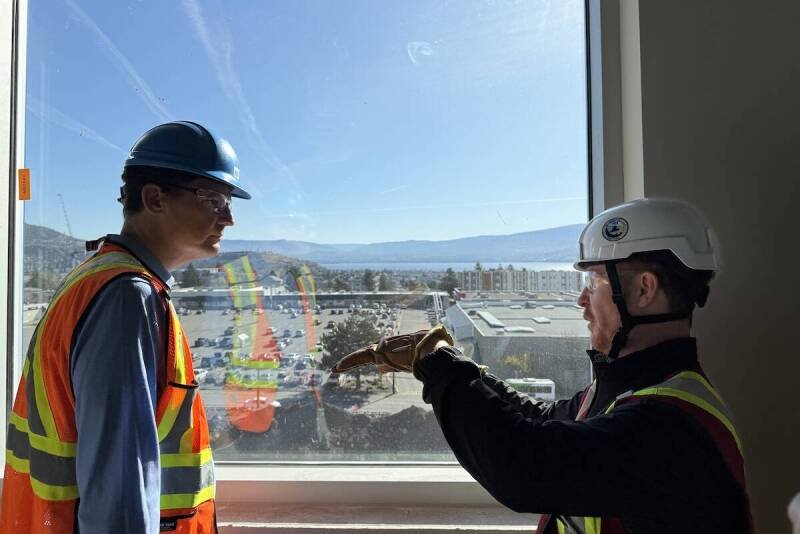
British Columbia is experiencing rapid growth, and Premier David Eby recently visited West Kelowna to emphasize the province's critical need for more schools. His visit focused on the future site of George Pringle Secondary, underscoring the government's commitment to addressing the growing demand for education infrastructure.
Growing Population, Growing Demand
Areas like West Kelowna are experiencing significant population booms. This translates directly to more families with children, putting immense pressure on existing school infrastructure. Overcrowded classrooms can negatively impact the quality of education and the overall learning environment for students.
Why This News Matters
The need for more schools isn't just about building new buildings. It's about investing in the future of British Columbia. Adequate school infrastructure is essential for:
- Providing quality education: Smaller class sizes and modern facilities enhance the learning experience.
- Supporting economic growth: A well-educated workforce is crucial for attracting businesses and fostering innovation.
- Building stronger communities: Schools serve as community hubs, providing spaces for social interaction and extracurricular activities.
- Addressing demographic changes: Ensuring that schools can accommodate the growing population, especially in rapidly developing areas.
Our Analysis
Premier Eby's visit highlights the government's awareness of the challenges posed by rapid population growth. While acknowledging the problem is a crucial first step, concrete action and sustained investment are essential. In our opinion, focusing solely on new schools might not be enough. The province also needs to consider innovative solutions like:
- Modernizing existing facilities: Upgrading older schools with new technology and improved learning spaces.
- Exploring flexible learning models: Utilizing online learning and blended learning approaches to alleviate classroom congestion.
- Strategic planning for future growth: Proactively identifying areas with anticipated population increases and planning school infrastructure accordingly.
Furthermore, securing adequate funding for these projects is vital. This involves not only provincial government investment but also collaboration with local communities and potentially exploring public-private partnerships. Failure to adequately address these growing needs could result in overcrowded classrooms, strained resources, and a decline in the quality of education offered to BC's children.
Future Outlook
The future of education in British Columbia hinges on the government's ability to effectively manage the growing demand for school infrastructure. The George Pringle Secondary project is a positive step, but it's just one piece of the puzzle.
Potential Challenges and Opportunities
Several factors could influence the future outlook:
- Economic fluctuations: Economic downturns could impact government funding for education.
- Shifting demographics: Changes in population distribution could necessitate adjustments to school planning strategies.
- Technological advancements: New technologies could transform the way education is delivered, potentially reducing the need for traditional classroom space.
This could impact the long-term success of education initiatives in BC. However, by embracing innovative solutions, prioritizing investment in education, and engaging with communities, British Columbia can ensure that all students have access to high-quality learning environments. The current focus is a crucial acknowledgement of the problem and hopefully a precursor to positive changes. The province will need proactive solutions to prevent infrastructure from falling further behind population growth.