Artemis II Mission: Families' Emotional Rollercoaster, Impact, and Future
Explore the emotional impact of the Artemis II mission on astronaut families, understand why this mission matters, and gain insights into its future implications.
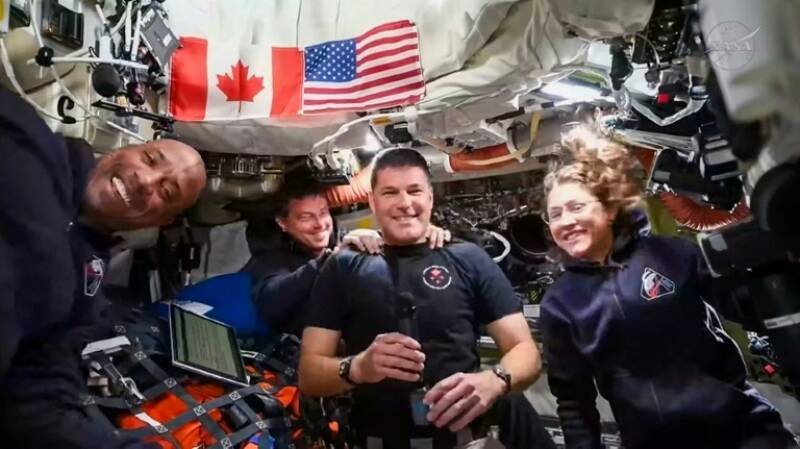



Explore the emotional impact of the Artemis II mission on astronaut families, understand why this mission matters, and gain insights into its future implications.
The Artemis II mission, a landmark endeavor to send astronauts around the Moon, isn't just a technological marvel; it's a deeply human story. While the world marvels at the spacecraft and the astronauts within, their families experience a unique blend of excitement and apprehension. Let's delve into the emotional rollercoaster they ride and what this mission signifies for the future of space exploration.
Catherine Hansen, wife of Canadian astronaut Jeremy Hansen, recently shared her feelings a week after the launch. She described the mix of intense pride and palpable anxiety she felt watching her husband embark on this historic mission. Imagine witnessing the person you love most being propelled into the vast unknown – it's a scenario that blends the extraordinary with the everyday, creating a truly unique emotional experience.
The Artemis II mission is far more than just another trip to space. It represents a renewed commitment to lunar exploration and a crucial stepping stone towards future missions to Mars. It's a testament to human ingenuity, international collaboration, and the enduring desire to explore the cosmos. Furthermore, understanding the emotional toll on astronaut families helps us appreciate the sacrifices made in the name of scientific progress and inspiring future generations.
Think about the impact this has on children of the astronauts. They are growing up in an era where space travel is becoming more common, but the risks remain. How do they process the fact that their parent is undertaking such a dangerous and important journey?
In our opinion, the Artemis II mission signifies a pivotal moment in space exploration history. The emotional perspective shared by Catherine Hansen highlights the human element often overlooked in discussions of technological advancements. It underscores the importance of providing comprehensive support to astronaut families, acknowledging their sacrifices, and recognizing the profound impact this journey has on their lives.
The sheer technological complexity of the Artemis program is astounding. This mission isn't just about getting to the moon; it's about developing the infrastructure and knowledge needed for sustained lunar presence and eventual missions to Mars. The success of Artemis II is crucial for maintaining momentum and securing future funding for space exploration programs.
The future of the Artemis program hinges on the success of Artemis II and subsequent missions. Looking ahead, we can anticipate:
This mission could impact the way we perceive our place in the universe. It inspires us to dream bigger, push boundaries, and collaborate on projects that benefit all of humanity. The Artemis program is not just about going to the moon; it's about shaping the future of our species.
In the long term, the Artemis program aims to establish a sustainable presence on the Moon, utilizing its resources to support future missions to Mars and beyond. This ambitious goal will require significant investment and international cooperation, but the potential rewards are immense.
Ultimately, the Artemis II mission reminds us that space exploration is a human endeavor, driven by passion, curiosity, and a shared desire to explore the unknown. While the astronauts are the visible heroes, their families share the journey, both the triumphs and the anxieties, making them an integral part of this historic chapter in space exploration.
























