Ancient Copper Coins and Temple Found Near Khetri: A Window into Rajasthan's Past
Archaeological dig near Khetri unearths 1,000-year-old copper coins and temple ruins, shedding light on the Chauhan era and potential trade routes in Rajasthan.



Archaeological dig near Khetri unearths 1,000-year-old copper coins and temple ruins, shedding light on the Chauhan era and potential trade routes in Rajasthan.
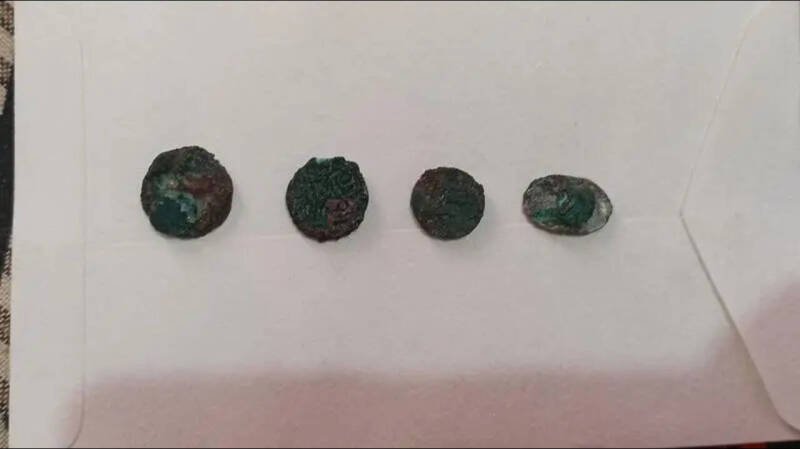
Archaeologists have made a fascinating discovery near Khetri, Rajasthan, unearthing copper coins and temple remains believed to be around 1,000 years old. The State's Department of Archaeology and Museology (DAM) announced the find, which offers a valuable glimpse into the region's rich history, potentially dating back to the Chauhan and early Delhi Sultanate periods.
The excavation revealed a collection of copper coins, hinting at the economic activities prevalent in the area centuries ago. These coins are crucial for understanding trade, commerce, and the daily lives of people during that era. Alongside the coins, the discovery of temple ruins suggests the existence of a significant religious center in the region, providing insights into the architectural styles and religious beliefs of the time.
The specifics of the temple remains (size, materials used, deity worshipped) will require further analysis. However, even the initial discovery points to a vibrant and culturally rich past for this area of Rajasthan.
This discovery is significant for several reasons. First, it adds to our understanding of the Chauhan dynasty and the early Delhi Sultanate period in Rajasthan. Second, the copper coins offer insights into the economic history of the region. Third, the temple ruins shed light on the religious practices and architectural styles of the time. Such finds are essential for piecing together the historical narrative of India and preserving its cultural heritage. This is a reminder that our history is always just beneath the surface, waiting to be uncovered.
In our opinion, the discovery of copper coins suggests that Khetri and its surrounding areas were likely important trade hubs in the past. Copper was a valuable commodity, and the presence of a significant number of coins indicates a thriving economic activity. The coins could also potentially reveal the extent of the Chauhan kingdom's influence and trade networks.
The temple ruins are equally important. While details are scarce at this time, the architectural style and any inscriptions found on the ruins could offer clues about the deities worshipped and the religious affiliations of the people who lived in the area. Further investigation is crucial to determine the temple's significance.
The DAM is expected to conduct further investigations at the site to unearth more artifacts and gather a more comprehensive understanding of the region's history. Future excavations could reveal more details about the temple's structure, the types of deities worshipped, and the daily lives of the people who lived there. The copper coins will likely undergo detailed analysis to determine their origin, value, and the economic systems in place at the time.
This discovery could also boost tourism in the Khetri region. A well-preserved archaeological site could attract history enthusiasts and researchers from around the world, contributing to the local economy.
This could impact the perception of Khetri and its historical significance. It showcases that the area is not just known for its copper mines but also potentially had a rich and influential past.
It's crucial that these findings are handled carefully and ethically, with a focus on preserving the historical integrity of the site. Careful excavation, documentation, and analysis are essential to extract maximum knowledge from these ancient artifacts.