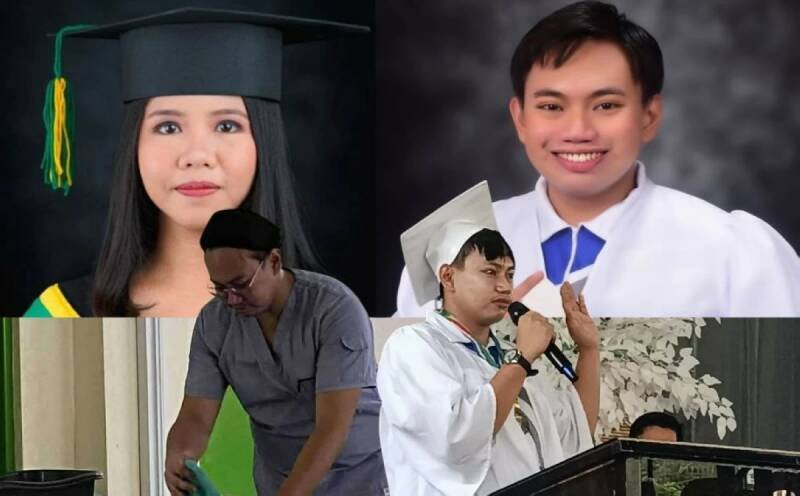
ALS Graduates Defy Odds: Second Chance Education Success Stories
Discover how the Alternative Learning System (ALS) is transforming lives and providing second chances for Filipinos. Read inspiring stories of ALS graduates who overcame adversity to achieve their dreams.
ALS Graduates Defy Odds: Second Chance Education Success Stories
ALS Graduates Defy Odds: Second Chance Education Success Stories
This graduation season, stories of resilience and redemption have captured hearts across the Philippines. The spotlight shines on graduates of the Alternative Learning System (ALS), a program by the Department of Education (DepEd) offering a "second chance" for those who've faced barriers in the formal education system. These individuals, often out-of-school youth, working adults, or those in challenging circumstances, prove that a different path can still lead to success.
The Alternative Learning System: A Lifeline
The ALS, fortified under the K to 12 curriculum, serves as a crucial lifeline. It ensures graduates meet standards equivalent to those from traditional schools. DepEd Secretary Sonny Angara emphasizes that these triumphs mirror DepEd's dedication to turning past hardships into future opportunities via ALS. The program is designed to be flexible and accessible, acknowledging the diverse needs of its students.
Stories of Triumph Over Adversity
Alvin James Castillo, 28, faced rejection after being forced to drop out of college due to financial constraints. Later, universities denied his re-entry because his pre-K to 12 credentials didn't align with new requirements. Undeterred, Alvin found a second chance with ALS. "Through ALS and its flexible scheduling, I was given a second chance at education," Castillo stated. Juggling various jobs while studying, he graduated with Highest Honors from Cauayan City Stand-Alone Senior High School in Isabela.
Camille Raguini, 25, from Vigan City, Ilocos Sur, experienced similar hardships. Leaving high school at 16 due to poverty, she returned to education via ALS at Ilocos Sur Community College during the pandemic. Without a personal smartphone, Camille attended online classes using borrowed devices, often lacking funds for daily needs. She also worked at their family's store and snack shop to support them. Now, she works as a finance clerk in Vigan City and saves to buy farmland for her family.
Both Alvin and Camille express deep gratitude to their teachers, who supported them during their toughest times. Angara notes that their success underscores the fact that with the right support and opportunity, students can overcome any obstacle to achieve their dreams. He reaffirmed the commitment to strengthening ALS to give even more Filipinos a second chance, aligning with President Bongbong Marcos's vision of leaving no Filipino behind in education.
Why This News Matters
These stories are more than just heartwarming anecdotes. They highlight the critical role of inclusive and flexible education systems. They emphasize that everyone deserves a chance to learn and grow, regardless of their background or circumstances. The success of ALS graduates shows the potential that can be unlocked when individuals are given the support they need to overcome barriers.
Our Analysis
In our opinion, the ALS program is a testament to the power of accessible education. The stories of Alvin and Camille are inspiring examples of resilience and determination. However, the fact that these individuals faced significant obstacles to accessing education in the first place raises important questions about the effectiveness and inclusivity of the formal education system. Further investment and support for ALS, alongside reforms within traditional schools, are essential to ensure that all Filipinos have a fair chance to succeed. This could impact poverty and employment rates across the country.
Areas for Improvement
- Increased funding for ALS programs
- Enhanced teacher training and support for ALS educators
- Improved access to technology and resources for ALS students
- Greater awareness and promotion of ALS as a viable educational pathway
Future Outlook
The DepEd's commitment to strengthening ALS signals a positive trend. By expanding access to second-chance education, the Philippines can empower more individuals to pursue their dreams and contribute to the country's development. We believe that continued investment in ALS, coupled with ongoing efforts to improve the overall education system, will be crucial for creating a more equitable and prosperous future for all Filipinos.
As Angara stated, the goal is to ensure no Filipino is left behind. The ALS program plays a vital role in achieving this vision, offering hope and opportunity to those who have been marginalized or underserved by the traditional education system.