Albertsons Sales Stagnant Amid Pharmacy Challenges: What's Next?
Albertsons reports slow sales growth and a net loss. We analyze the reasons behind the performance and the future outlook for the grocery chain.
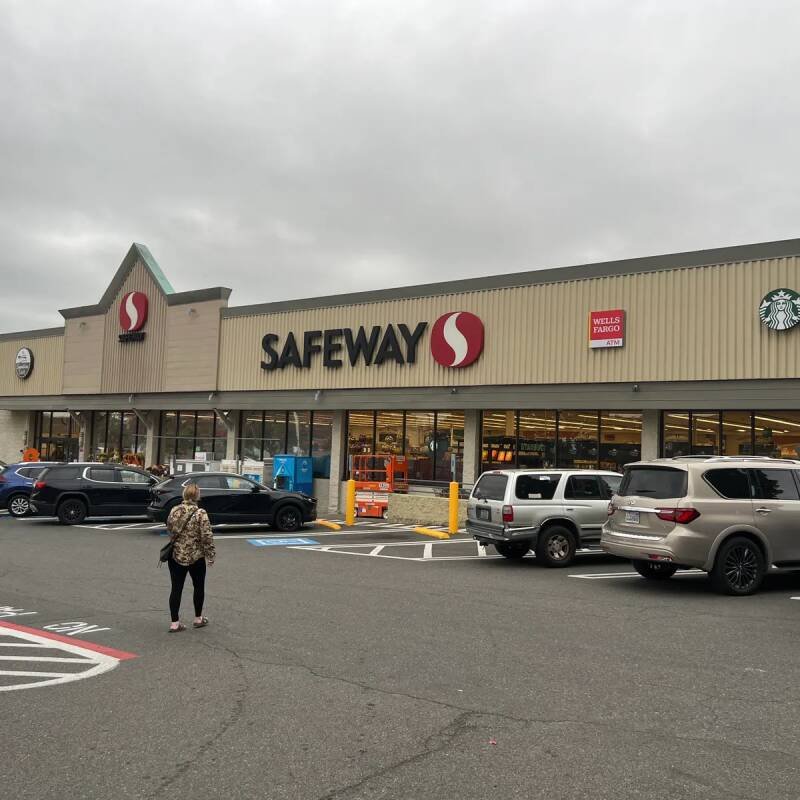



Albertsons reports slow sales growth and a net loss. We analyze the reasons behind the performance and the future outlook for the grocery chain.
Albertsons, one of the largest grocery chains in the United States, recently released its fourth-quarter earnings report, revealing a challenging period for the company. While the grocery business remains resilient, the report indicates a slowdown in sales growth and a significant net loss. Let's break down what's happening and what it means for shoppers and the industry.
The headline figure is that Albertsons recorded identical sales growth of less than 1% in the fourth quarter. "Identical sales growth," also known as "same-store sales growth" or "comps," compares sales at stores open for at least a year. It's a key indicator of a retailer's overall health because it excludes the impact of new store openings or closures. A growth rate of less than 1% suggests that Albertsons is struggling to increase sales at its existing locations.
This modest growth figure is particularly concerning given the current inflationary environment. With food prices still elevated, we would expect to see a higher percentage growth simply due to increased costs being passed onto consumers. The fact that Albertsons isn’t showing strong growth suggests that sales volume could be declining.
Adding to the challenges, Albertsons reported a net loss of $480 million for the quarter. While this figure looks alarming, it's largely attributed to a one-time expense related to settling opioid-related claims. Many pharmacies, including those operated by grocery chains, have faced lawsuits alleging they contributed to the opioid crisis by improperly dispensing prescription painkillers. This settlement, while costly in the short term, will likely remove a significant legal burden from the company in the long run.
Albertsons' performance is a bellwether for the broader grocery industry. Its struggles reflect the pressures that all major supermarket chains are facing, including heightened competition, changing consumer behavior, and the ongoing impact of inflation. Furthermore, the financial hit from the opioid settlement underscores the increasing scrutiny and potential liabilities faced by companies involved in dispensing prescription medications.
In our opinion, Albertsons' lackluster sales growth can be attributed to several factors. Firstly, increased competition from discounters like Aldi and Lidl, as well as online retailers like Amazon, is putting pressure on traditional grocery chains. Secondly, consumers are becoming more price-conscious and are increasingly seeking out value alternatives or cutting back on non-essential purchases. This could impact premium products and brand loyalty for Albertsons.
The opioid settlement, while damaging to the company's bottom line, is a necessary step towards resolving its legal liabilities. However, it highlights the risks associated with operating pharmacies and the importance of implementing robust compliance programs to prevent improper dispensing of controlled substances.
The mention of "pharmacy headwinds" is crucial. Pharmacies are generally high-margin businesses for grocery stores. Anything that affects pharmacy profits, like changes in prescription drug pricing, increased competition from mail-order pharmacies, or the need for costly compliance measures, will impact overall profitability.
Looking ahead, Albertsons faces a challenging environment. To improve its performance, the company needs to focus on several key areas:
The proposed merger with Kroger could also significantly alter Albertsons' future. However, regulatory hurdles and public concerns about reduced competition could derail the deal.
Ultimately, Albertsons' success will depend on its ability to adapt to changing market conditions and address the challenges facing the grocery industry. The next few quarters will be critical in determining whether the company can turn things around.