Agro-Processing Global Gateway 2026: Boosting Bangladesh's Agricultural Exports
The Agro-Processing Global Gateway 2026 concluded successfully, aiming to significantly boost Bangladesh's agricultural exports. Learn why this matters and what the future holds.
Agro-Processing Global Gateway 2026 Concludes: A Win for Bangladesh's Agriculture
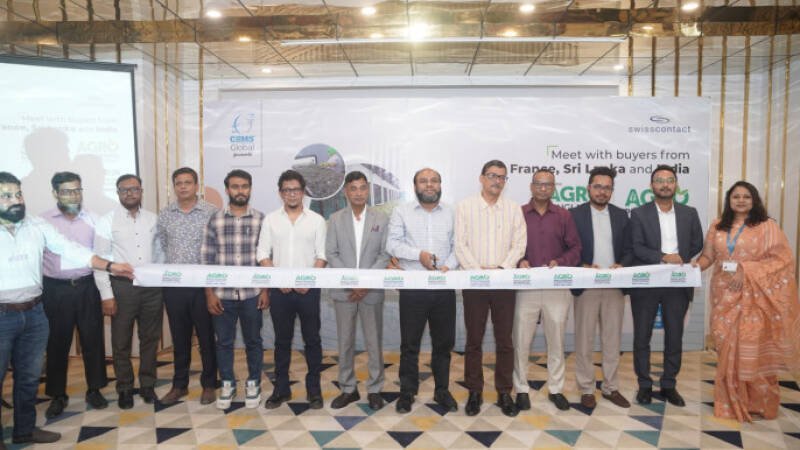
The Agro-Processing Global Gateway 2026 – Regional Edition (APGG 2026) has successfully wrapped up its activities across three important regions of Bangladesh. This initiative, spearheaded by CEMS-Global Bangladesh in partnership with the BYETS Project and Swisscontact Bangladesh, received vital support from the Embassy of the Kingdom of the Netherlands.
The core objective of APGG 2026 was ambitious: to significantly increase the export value of agricultural products and processed food items from Bangladesh. The program aimed to unlock millions of dollars in new export revenue, and its conclusion marks an important step toward achieving that goal.
A Collaborative Effort
The success of APGG 2026 highlights the power of collaboration. By bringing together CEMS-Global's expertise in event management, the BYETS Project's focus on youth employment, Swisscontact Bangladesh's commitment to sustainable development, and the financial support of the Dutch Embassy, the program created a robust platform for growth. This multi-faceted approach is essential for tackling the complex challenges facing the agricultural sector.
Why This News Matters
This news is significant for several reasons. First, it demonstrates a concerted effort to diversify Bangladesh's economy and move beyond traditional export sectors. By focusing on agro-processing, the country can add value to its agricultural produce and tap into higher-value global markets.
Second, increased agricultural exports can have a substantial positive impact on rural communities. It can create jobs, raise incomes, and improve the overall standard of living for farmers and their families. This is particularly important in a country like Bangladesh, where a significant portion of the population relies on agriculture for their livelihood.
Third, the success of APGG 2026 can serve as a model for other developing countries seeking to boost their agricultural exports. By learning from Bangladesh's experience, these countries can develop their own tailored programs to unlock the potential of their agricultural sectors.
Our Analysis
In our opinion, the Agro-Processing Global Gateway 2026 represents a strategically important initiative for Bangladesh. The focus on processed food is particularly smart, as it allows the country to capture more value compared to simply exporting raw agricultural commodities. The collaboration between various organizations also suggests a well-rounded approach that considers different aspects of the value chain, from production to marketing and export.
However, the long-term impact of APGG 2026 will depend on several factors. These include ensuring that farmers have access to the latest technologies and best practices, improving infrastructure to facilitate the transport of goods, and addressing any trade barriers that might hinder exports.
This could impact the livelihoods of thousands of farmers across the country, providing them with access to larger markets and better prices for their produce. This initiative also aligns with the global trend towards increased demand for processed foods, particularly in emerging markets.
Future Outlook
Looking ahead, it is crucial to build on the momentum generated by APGG 2026. This could involve expanding the program to other regions of Bangladesh, increasing the number of participating businesses, and exploring new export markets.
Specifically, future initiatives should focus on:
- Investing in research and development to improve crop yields and develop new processed food products.
- Providing training and technical assistance to farmers and agro-processors.
- Strengthening quality control and food safety standards to meet the requirements of international markets.
- Promoting Bangladeshi agro-processed products in key export markets through trade fairs and marketing campaigns.
Ultimately, the success of Bangladesh's agricultural export strategy will depend on a sustained commitment from both the government and the private sector. By working together, they can create a thriving agro-processing industry that contributes significantly to the country's economic growth and prosperity.
In our opinion, with continued effort and strategic investments, Bangladesh has the potential to become a major player in the global agro-processing market. The Agro-Processing Global Gateway 2026 is a promising step in that direction.