5 Classic Muscle Cars From the 1960s Still Turning Heads Today
Discover five iconic muscle cars from the 1960s that remain timeless and desirable. Learn why these vintage rides are more popular than ever and what makes them so special.
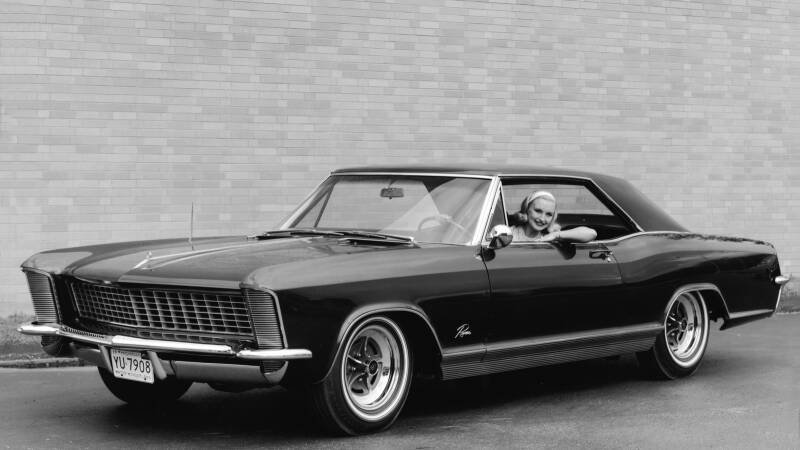



Discover five iconic muscle cars from the 1960s that remain timeless and desirable. Learn why these vintage rides are more popular than ever and what makes them so special.
The 1960s were a golden age for American automotive performance. Gas was cheap, design was bold, and the focus was on raw power. This era birthed some of the most iconic "muscle cars" ever created – vehicles that continue to captivate enthusiasts and collectors today. But which of these legends have aged the best, becoming even *more* desirable with each passing year? Let's dive into five examples that prove style and performance are timeless.
The Ford Mustang isn't just a car; it's a cultural icon. Introduced in 1964, it defined the "pony car" segment and quickly became a symbol of freedom and youth. Early models, especially the fastbacks and convertibles, boast clean lines and a sporty stance that's still incredibly appealing. The availability of various V8 engines, from the small-block 289 to the mighty 428 Cobra Jet, cemented its performance credentials.
Chevrolet's answer to the Mustang, the Camaro, arrived in 1967 and immediately established itself as a serious contender. With aggressive styling, a wide range of engine options (including the legendary Z/28), and impressive handling, the first-generation Camaro remains a sought-after collectible. Its sleek, muscular design simply screams "American muscle."
The second-generation Dodge Charger, particularly the 1968-1970 models, is arguably one of the most iconic muscle car designs ever conceived. Its Coke-bottle styling, hidden headlights, and aggressive stance made it an instant classic. Powered by engines like the 440 Magnum and the legendary 426 Hemi, it delivered breathtaking performance and a menacing presence that continues to intimidate on the road today.
Often credited as the car that started the muscle car craze, the Pontiac GTO was a game-changer. By stuffing a large-displacement V8 into a mid-size car, Pontiac created a recipe for performance that resonated with a generation. The 1964-1967 models, especially the 1967 with its distinctive stacked headlights, remain highly prized for their blend of style and power.
While the early Barracudas were pony cars, the 1970 redesign transformed it into a true muscle car. The 'Cuda, especially when equipped with the 426 Hemi or 440 Six-Pack, was a force to be reckoned with. Its aggressive styling and potent powertrains made it a favorite among enthusiasts, and its relative rarity compared to other muscle cars only adds to its appeal.
The enduring popularity of these classic muscle cars isn't just about nostalgia. They represent a bygone era of automotive design and engineering – a time when power and style were prioritized above all else. The rising values of these vehicles at auction and in private sales demonstrate their continued appeal and investment potential. Understanding the history and significance of these cars allows us to appreciate their role in shaping automotive culture and design trends.
In our opinion, the timeless appeal of these muscle cars stems from a combination of factors. Their bold styling, powerful engines, and relative simplicity (compared to modern cars) make them incredibly engaging to drive and own. Furthermore, their association with a specific period in American history adds to their cultural significance. The increasing scarcity of well-maintained examples is also driving up prices and fueling the passion of collectors.
It's worth noting that the current trend of electrification and autonomous driving in the automotive industry might further increase the appreciation for these classic, purely mechanical machines. They represent a connection to a more visceral and driver-centric era of motoring.
The demand for classic muscle cars is likely to remain strong for the foreseeable future. As older generations who grew up with these cars enter their peak collecting years, and as younger generations discover their appeal, values are expected to continue to rise, particularly for rare and well-preserved examples. This could impact the restoration and preservation industry, creating a greater demand for skilled technicians and authentic parts. The interest in these cars also fuels the aftermarket industry, with companies producing reproduction parts and performance upgrades to keep these legends running for years to come.
Furthermore, the success of retro-inspired designs in modern cars suggests that automakers may continue to draw inspiration from these classic muscle cars in the future. The legacy of these vehicles will continue to shape automotive design and culture for generations to come.