3D Printing Car Parts: What's Possible and What's Not
Explore the world of 3D printed car parts. Learn what components you can realistically create at home, what to avoid, and the potential impact on the automotive industry.
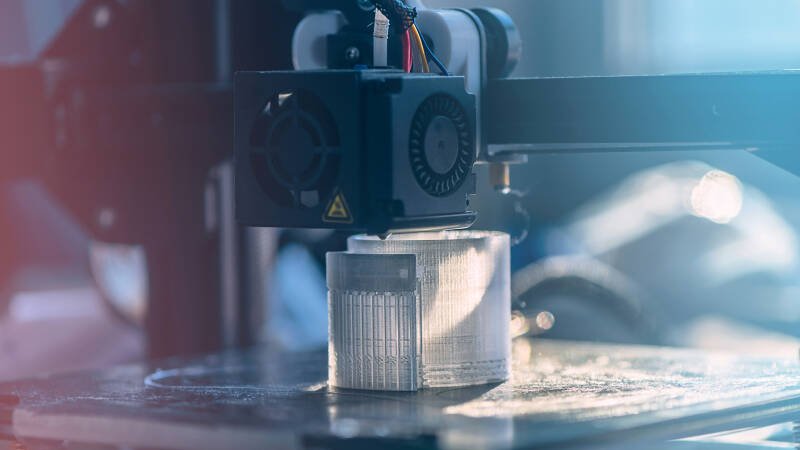



Explore the world of 3D printed car parts. Learn what components you can realistically create at home, what to avoid, and the potential impact on the automotive industry.
The idea of printing your own car parts at home might have seemed like a futuristic dream just a few years ago. But thanks to advancements in 3D printing technology, it's becoming increasingly accessible and, in some cases, a viable option. However, it's crucial to understand the limitations and potential risks involved before you start printing parts for your vehicle.
3D printing excels at creating custom or replacement parts, especially those that are no longer readily available or are overly expensive to purchase. Some examples of parts that are commonly 3D printed include:
Safety-critical components should generally not be 3D printed for road use. These parts are subject to high stress, temperature fluctuations, and require extreme precision. Trying to 3D print these could lead to catastrophic failure and dangerous situations. Examples include:
The accessibility of 3D printing is changing the automotive landscape. It empowers hobbyists and mechanics to repair and customize vehicles in ways that were previously impossible. This technology can keep older cars on the road by providing replacement parts that are no longer manufactured. Furthermore, it opens doors for personalized modifications and enhancements that cater to individual preferences.
However, it also raises crucial safety considerations. The potential for creating substandard or unreliable parts is a significant concern. Clear guidelines and regulations are needed to ensure that 3D printed car parts meet appropriate safety standards.
In our opinion, 3D printing holds tremendous potential for the automotive industry. The ability to create custom parts on demand can revolutionize repair processes and foster innovation. However, the technology is not a one-size-fits-all solution. It's crucial to understand the limitations of 3D printing and to prioritize safety above all else.
We believe that the key to realizing the full potential of 3D printing in the automotive sector lies in responsible development and implementation. This includes using appropriate materials, adhering to strict quality control measures, and educating users about the potential risks and benefits.
The future of 3D printing in the automotive industry looks promising. As technology advances, we can expect to see more robust materials and more affordable printers capable of producing stronger, more durable parts. This could impact the way cars are designed, manufactured, and maintained.
We anticipate that 3D printing will play an increasingly important role in:
Ultimately, the success of 3D printing in the automotive industry will depend on a collaborative effort between manufacturers, regulators, and consumers. By working together, we can harness the power of this technology to create safer, more efficient, and more personalized vehicles.